Factors Affecting Galvanised Wire Price and Quality Guide
Securing a perimeter requires a strategic balance between visibility, durability, and cost-efficiency. For many industrial and agricultural operators, the selection of fencing materials often boils down to the specific properties of zinc-coated steel. Whether you are managing a large-scale poultry farm, securing a highway green belt, or protecting a residential garden, the structural integrity of your barrier depends heavily on the quality of the wire mesh used. By utilizing low-carbon steel treated with advanced galvanization processes, businesses can achieve a long-term security solution that resists oxidation while maintaining a clear line of sight for landscaping and surveillance.
Understanding the variables that influence the galvanised wire price is essential for procurement managers who need to balance project budgets with operational longevity. From the choice between electro-galvanized and hot-dipped finishes to the specific wire gauge and mesh opening, every technical detail impacts both the final cost and the service life of the fence. This guide examines the technical specifications of chain-link systems and provides the necessary criteria for selecting the right wire configuration based on environmental exposure and security requirements.

Technical Fundamentals of Zinc-Coated Chain Link Systems
Chain-link fencing is a woven steel wire structure where the primary objective is to provide a robust physical barrier without obstructing the view. The core material is typically low-carbon steel wire, though stainless steel and aluminum options are available for extreme environments. The defining characteristic of these systems is the galvanization process, which involves coating the steel with a layer of zinc to prevent rust and atmospheric corrosion. There are two primary manufacturing methods: Galvanized Before Weaving (GBW) and Galvanized After Weaving (GAW). While GBW offers a smoother finish, GAW is more prevalent in the market as it ensures that the weave intersection points are also fully protected by the zinc layer.
The performance of the fence is further enhanced through various surface treatments. Electro-galvanizing provides a thin, bright coating suitable for mild environments, whereas hot-dipped galvanizing offers a much thicker zinc layer, providing superior protection for outdoor installations. For areas with high acidity or extreme humidity, a PVC coating can be applied over the galvanized core, adding an extra layer of chemical resistance and allowing for color customization to blend with the natural environment. This multi-layered approach ensures that the fence remains structurally sound even in challenging weather conditions.

Optimizing Material Selection for Specific Application Scenarios
The versatility of galvanized mesh allows it to be adapted for a wide range of operational needs. In agricultural settings, such as the breeding of chickens, ducks, and rabbits, the focus is often on a smaller mesh opening to prevent animal escape while maintaining ventilation. For these applications, a lightweight gauge is usually sufficient, as the primary goal is containment rather than high-security deterrence. Conversely, for highway guardrails, airport perimeters, and port security, a heavier wire gauge and a larger mesh opening are employed to increase the impact resistance and overall stability of the structure.
Industrial sites and sports venues require a different approach, focusing on a balance between agility and strength. In these scenarios, PVC-coated galvanized wire is often preferred because it prevents the "metallic" feel and reduces the risk of abrasions during contact. Furthermore, the selection of the edge finish—whether Knuckled-Knuckled, Knuckled-Barbed, or Barbed-Barbed—determines the ease of installation and the level of security. Barbed edges are typically reserved for high-security zones where preventing climbing is the top priority, while knuckled edges are standard for residential and public parks.
Evaluating Structural Specifications and Weight Metrics
When planning a procurement order, technical specifications must be meticulously matched to the physical dimensions of the site. The relationship between the wire diameter, the mesh opening, and the overall weight per square meter determines the fence's tensile strength and its ability to withstand external pressure. For instance, a mesh size of 50x50mm with a 3.25mm wire diameter provides a standard industrial grade of protection, while a tighter 20x20mm weave is required for specialized animal husbandry or precision filtration tasks.
Weight calculations are critical for logistics and installation planning. A fence height of 200cm with a standard length of 2.5m can vary significantly in weight depending on whether it is basic galvanized or PVC coated. Understanding these metrics allows project managers to calculate the exact number of fixing poles required and the total tonnage for shipping. By optimizing the wire gauge relative to the expected load, buyers can avoid over-specifying the material, which helps in controlling the total project cost without compromising the security integrity of the installation.
Galvanized Chain Link Fence Specification Matrix
| Mesh Size (mm) | Wire Diameter (mm) | Coating Type | Typical Application |
|---|---|---|---|
| 50 x 50 | 3.25 | Hot-Dipped Galv. | Industrial Perimeter |
| 60 x 60 | 2.64 | PVC Coated | Residential Garden |
| 80 x 80 | 3.0 / 4.06 | PVC + Galv. | Sports Venue |
| 100 x 100 | 3.66 | Hot-Dipped Galv. | Highway Green Belt |
| 20 x 20 | 0.7 | Electro-Galv. | Poultry Breeding |
Procurement Considerations for Long-Term Durability
Selecting a supplier for wire products requires a deep dive into their quality control processes. The longevity of a galvanized fence is directly proportional to the zinc coating mass. For example, electro-galvanized wires typically have a much lower zinc deposit compared to hot-dipped versions, which can range from 35g to 400g per square meter depending on the requirement. Buyers should request specific zinc coating certifications to ensure the product will not rust prematurely in coastal or high-humidity regions.
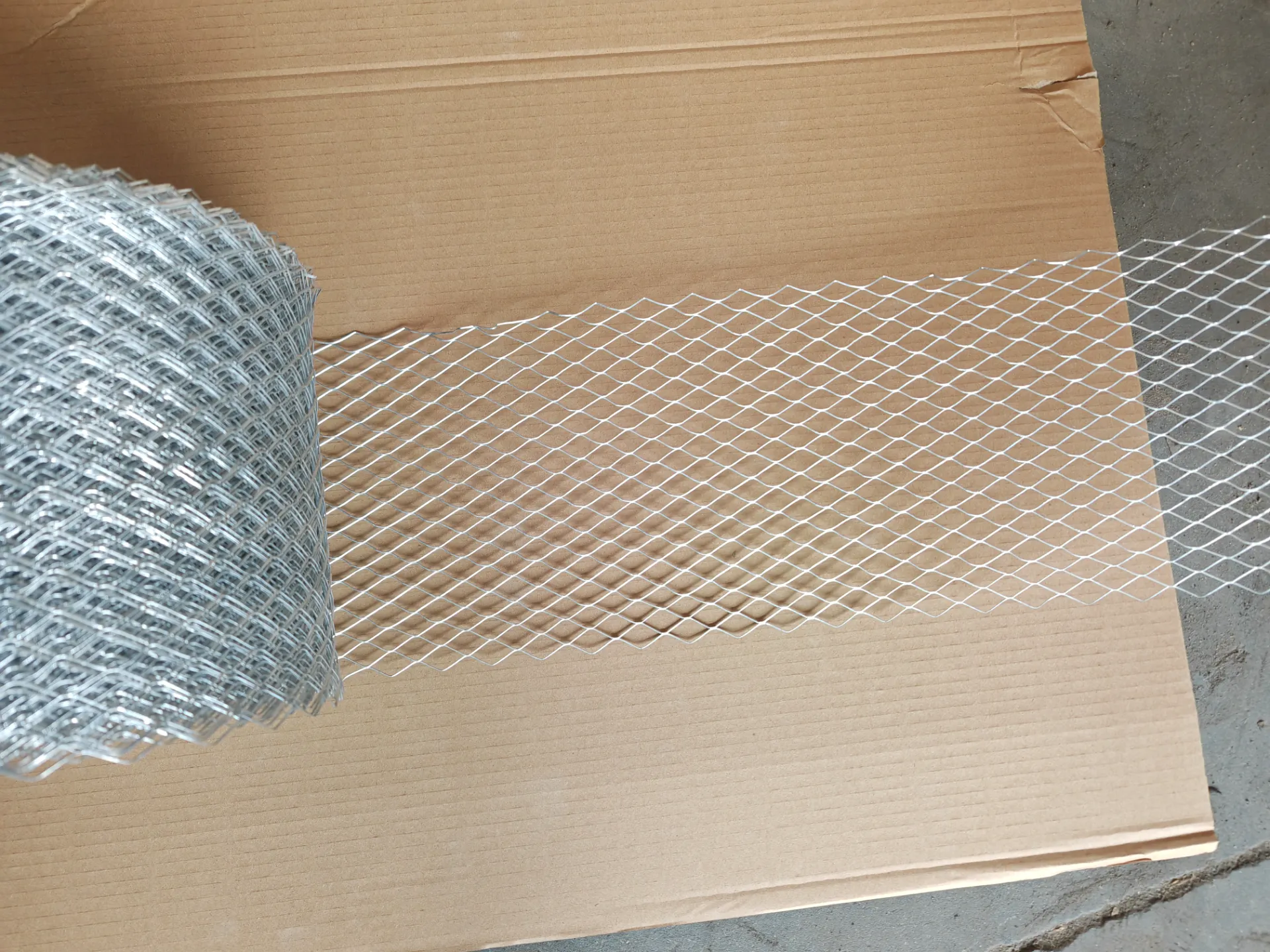
Beyond the material itself, the packaging and shipping method can impact the quality of the delivered goods. Compact rolls with plastic bagging prevent the mesh from becoming distorted during transit, ensuring that the diamond shape remains consistent upon installation. When evaluating quotes, it is important to look beyond the initial price and consider the total cost of ownership, including the expected replacement cycle and the maintenance required to keep the fence functional. A higher initial investment in hot-dipped galvanization often results in significantly lower maintenance costs over a ten-year period.
Future Trends in Perimeter Security and Material Science
The industry is moving toward more sustainable and high-performance coatings that reduce the environmental impact of the galvanization process. We are seeing an increase in the demand for hybrid coatings that combine the strength of zinc with advanced polymers to create surfaces that are not only corrosion-resistant but also UV-stable. This prevents the PVC coating from cracking or fading under intense sunlight, which has traditionally been a weakness in outdoor installations in tropical climates.
Additionally, the integration of customized mesh geometries is becoming more common to meet specific security challenges. Instead of standard diamond weaves, some industries are adopting reinforced patterns that offer higher resistance to cutting and climbing. For procurement professionals, staying informed about these material advancements is key to optimizing the galvanised wire price relative to the actual performance gain. As manufacturing technologies evolve, the ability to specify precise zinc weights and coating thicknesses allows for a more surgical approach to perimeter security.
Frequently Asked Questions on Galvanized Wire Fencing
What is the difference between GBW and GAW fencing?
GBW stands for Galvanized Before Weaving, where the wire is coated first and then woven. GAW stands for Galvanized After Weaving, where the mesh is woven first and then dipped in zinc. GAW is generally more durable because the zinc coating covers the entire finished product, including the weld and weave points.
How does PVC coating improve the life of a galvanized fence?
PVC coating acts as a primary barrier against moisture, chemicals, and UV rays. While the galvanized layer prevents rust from within, the PVC layer prevents the zinc from oxidizing and protects the fence from external abrasions, significantly extending the service life in harsh environments.
Which wire gauge is recommended for high-security industrial areas?
For high-security areas, a thicker wire diameter (typically 3.0mm to 4.0mm) is recommended. This increases the tensile strength of the fence and makes it much more difficult to cut or breach using manual tools.
Can galvanized chain link fences be used for animal breeding?
Yes, they are extensively used for raising poultry, rabbits, and other livestock. However, it is important to select a smaller mesh opening (such as 20x20mm) to ensure that the animals cannot pass through the gaps.
What factors most influence the final cost of the fencing material?
The primary cost drivers are the raw steel price, the weight of the zinc coating (hot-dipped vs. electro-galvanized), the wire gauge, and whether a PVC coating is added. Customizations in mesh size and edge finishing also impact the final pricing.
How should I maintain a galvanized fence to prevent rust?
Regular inspections for physical damage or cuts in the PVC coating are recommended. If the zinc layer is scratched, applying a cold-galvanizing spray can seal the area and prevent oxidation from spreading across the mesh.
Technical References and Industry Standards
- ASTM International - Standards for Zinc Coatings on Steel
- ISO Standards for Metallic Coatings and Corrosion Protection
- International Zinc Association - Technical Guides on Galvanization
- Steel Construction and Wire Mesh Engineering Manuals
Selecting the right galvanized wire solution requires a technical understanding of both material science and application requirements. By prioritizing the correct zinc coating and wire gauge, you can ensure a secure and durable perimeter that minimizes long-term maintenance costs.
Industry Insights and Related Technical Guides