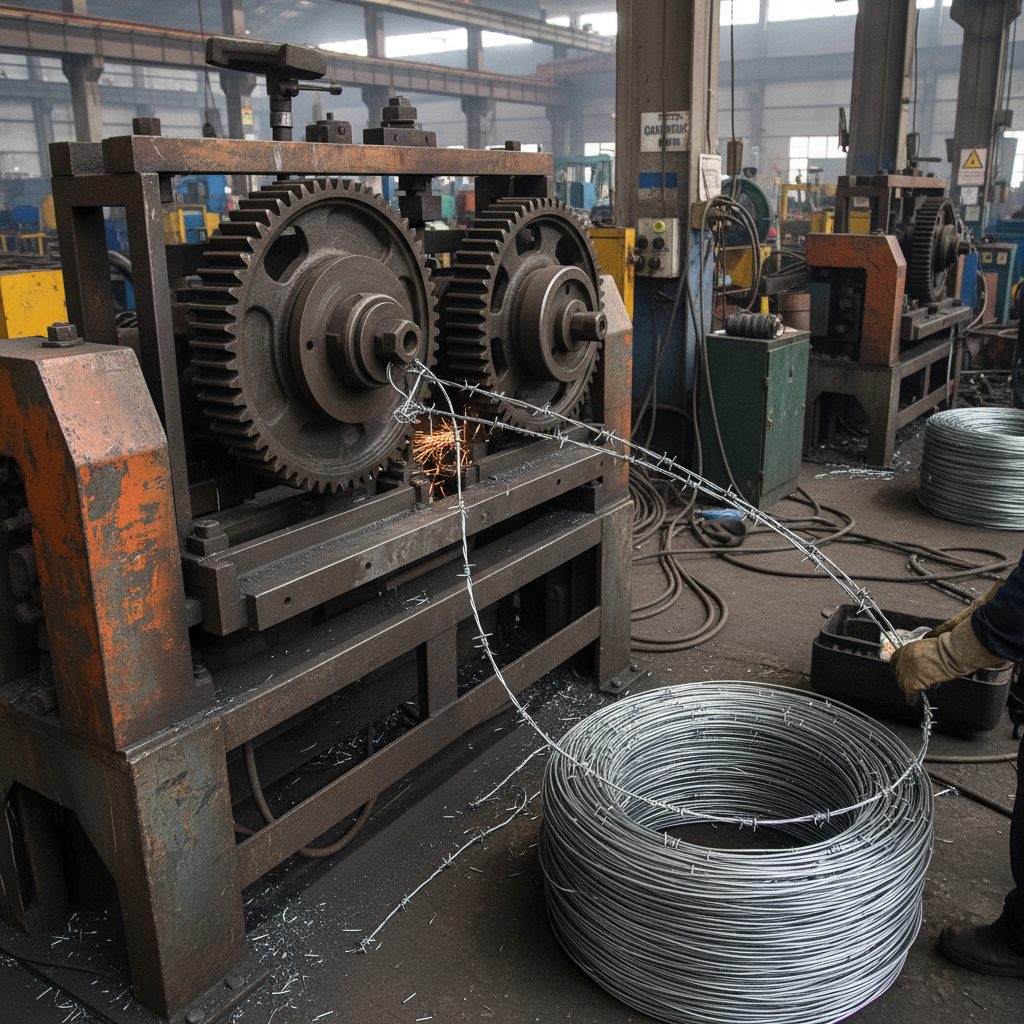
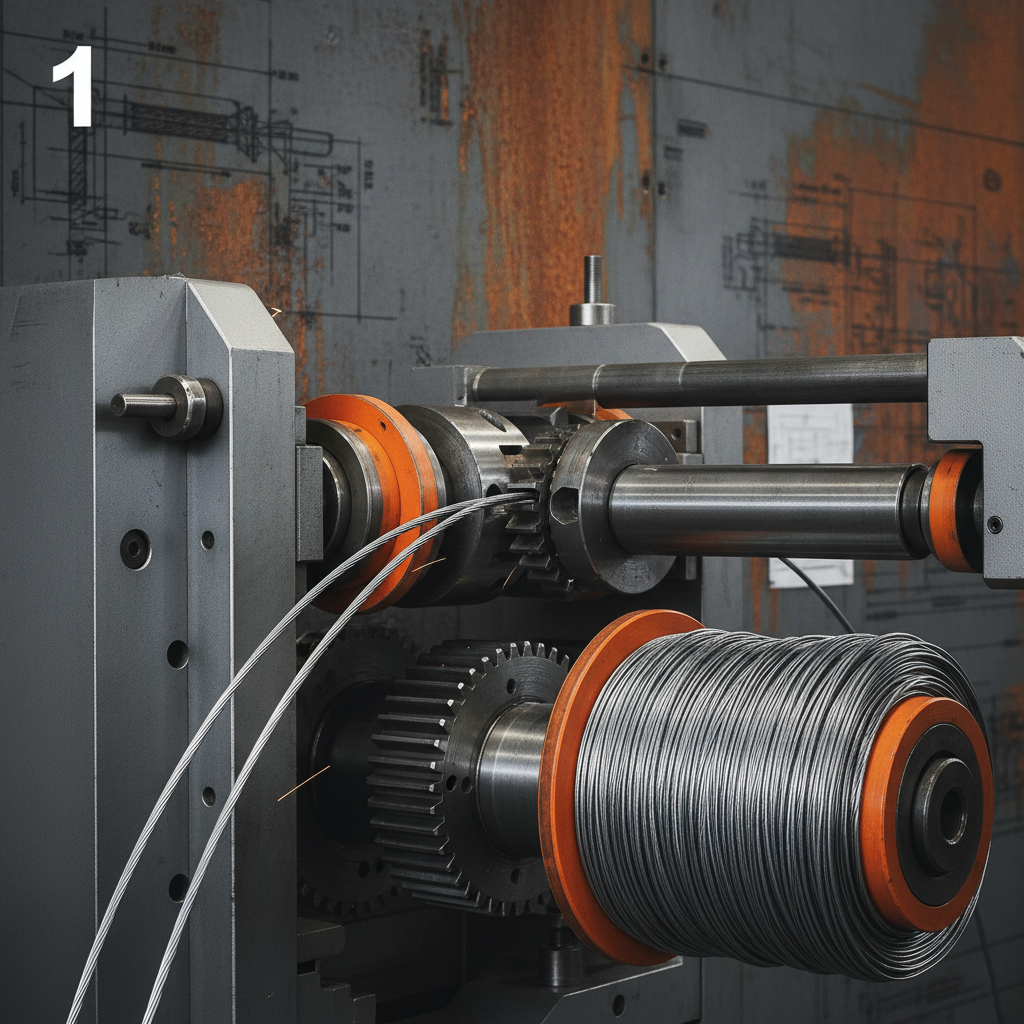
The global construction and manufacturing sectors rely heavily on reliable fastening solutions that balance strength with flexibility. Among these, the specialized application of high-carbon steel fasteners provides the structural integrity needed for everything from heavy-duty roofing to intricate furniture repair. Understanding the nuances of these materials is essential for ensuring long-term durability in challenging environments.
In the current industrial landscape, the demand for versatile binding materials has surged, particularly those that can be easily manipulated without sacrificing hold. The ability to secure components tightly while maintaining a level of ductility is a critical requirement for modern architectural and industrial assembly processes.
Whether it is for sand casting or securing wooden cases, the use of high-quality black annealed tie wire ensures that joints remain secure and resistant to loosening. By utilizing Q215 carbon steel and various surface treatments, these products meet stringent ISO9001:2000 standards for global distribution.
Global Industrial Relevance of Fastening Solutions
The global infrastructure market necessitates a constant supply of high-grade binding materials to ensure the safety of residential and commercial builds. From the precision of sand casting to the robustness required for roofing nails, the industry demands materials that adhere to strict international standards to prevent structural failure.
As urban expansion continues in developing regions, the reliance on carbon steel fasteners has increased. These components serve as the invisible backbone of construction, where the ability to tie, secure, and fasten materials quickly yet permanently is the difference between a project's success and its costly failure.
Technical Definition and Material Composition
At its core, the concept of high-ductility binding materials like black annealed tie wire involves a heat-treatment process known as annealing. This process softens the steel, removing internal stresses and making the metal significantly more flexible and easier to twist by hand without snapping.
The primary material used in these high-performance products is Q215 carbon steel, chosen for its optimal balance of tensile strength and malleability. This ensures that while the wire is soft enough for tying, it possesses the structural integrity to hold loads over extended periods without stretching excessively.
Furthermore, the surface finish plays a vital role in the product's longevity. Options such as polishing, zinc plating, or blue finishes are applied to create a barrier against oxidation, ensuring that the fastener remains functional even in humid or coastal environments where corrosion is a primary concern.
Core Components of High-Performance Fasteners
One of the most critical factors in the performance of black annealed tie wire is the gauge of the wire. In the industry, BWG (Birmingham Wire Gauge) is used to determine the diameter, with options ranging from 8G to 13G, allowing engineers to select the exact thickness required for a specific load-bearing task.
Surface treatment is another pillar of quality. Whether using electro-galvanized or hot-dip galvanized coatings, the goal is to prevent the carbon steel from reacting with oxygen and moisture. This protects the integrity of the black annealed tie wire and prevents rust streaks from appearing on finished construction surfaces.
Finally, the shank design—available in smooth or twisted varieties—determines the grip strength. Twisted shanks are particularly valued in roofing applications as they provide superior withdrawal resistance, ensuring that the fastener remains embedded in the substrate despite wind lift or thermal expansion.
Global Applications and Use Cases
The versatility of carbon steel fasteners allows them to be used across a vast array of industries. In construction, they are indispensable for securing rebar and roofing materials, while in the furniture industry, they provide the necessary tension for repairing wooden frames and case assembly.
In industrial zones, these materials are frequently used in sand casting to secure molds, ensuring that molten metal is contained precisely. Their adaptability makes them a staple in both high-tech manufacturing plants and remote site operations where simplicity and reliability are paramount.
Fastener Performance Ratings by Application
Advantages and Long-Term Value
The primary advantage of using high-quality black annealed tie wire is the significant reduction in labor time. Because the material is annealed, workers can tie knots and secure joints rapidly without the need for heavy machinery, increasing on-site efficiency.
From a long-term value perspective, the use of Q215 carbon steel combined with appropriate galvanization ensures that the cost of maintenance is minimized. The reliability of these fasteners reduces the risk of structural loosening, thereby enhancing the overall safety and dignity of the finished architectural project.
Future Trends in Metal Fastening
The industry is currently moving toward "green" steel production, focusing on reducing the carbon footprint of carbon steel manufacturing. We expect to see a rise in the use of recycled steel for products like black annealed tie wire, aligning industrial needs with global sustainability goals.
Automation in the coating process is also evolving. New precision plating technologies are allowing for thinner yet more durable zinc layers, which reduces material waste while improving the corrosion resistance of the fasteners used in extreme climates.
Additionally, the integration of digital tracking in the supply chain allows for better quality control. ISO9001:2000 certifications are becoming more transparent, enabling buyers to trace the raw material source and the heat-treatment parameters of every batch delivered.
Overcoming Implementation Challenges
One common challenge is the balance between flexibility and strength. If the annealing process is too intense, the wire may become too soft, leading to a loss of tension over time. The solution lies in precise temperature control during the heat-treatment phase to ensure a consistent metallurgical structure.
Another issue is the risk of oxidation during transit, especially for bulk shipments in wooden boxes or bags. Implementing superior surface finishes like hot-dip galvanizing provides a much more robust shield compared to simple polishing, effectively eliminating rust before the product reaches the customer.
Finally, selecting the wrong gauge for a specific application can lead to inefficiency or failure. By providing detailed specification charts—detailing rod diameters and head diameters for various BWG sizes—manufacturers help clients make data-driven decisions for their projects.
Technical Specification Analysis for Carbon Steel Fasteners
|
Gauge (BWG)
|
Rod Diameter (mm)
|
Application Suitability
|
Durability Score (1-10)
|
| 8G |
4.19 |
Heavy Construction |
10 |
| 9G |
3.73 |
General Tying |
9 |
| 10G |
3.37 |
Furniture Repair |
8 |
| 11G |
3.02 |
Light Assembly |
7 |
| 12G |
2.74 |
Precision Binding |
6 |
| 13G |
2.50 |
Fine Mesh Tying |
5 |
FAQS
The flexibility comes from the annealing process, which involves heating the carbon steel to a specific temperature and cooling it slowly. This changes the internal crystalline structure of the metal, removing the hardness and brittleness common in cold-drawn wire, allowing it to be twisted and tied without breaking.
Selection depends on the load requirements. Lower BWG numbers (like 8G) have larger diameters and higher tensile strength, ideal for heavy structural ties. Higher numbers (like 12G) are thinner and more flexible, better suited for light furniture repair or small-scale binding tasks.
Yes, for outdoor or high-corrosion environments. Hot-dip galvanizing creates a thicker layer of zinc that provides superior long-term protection against rust. Electro-galvanizing is thinner and provides a smoother finish, which is sufficient for indoor use or short-term applications.
Absolutely. The ductility of annealed carbon steel makes it ideal for securing sand molds and casting frames. It provides a tight hold that can be easily removed or cut once the casting process is complete, without damaging the mold structure.
For trial orders, the minimum quantity is typically 5 tons. This allows customers to verify the quality, gauge consistency, and surface finish of the products before committing to full 20-foot container loads, which usually hold 20-25 tons.
A smooth shank is easier to drive into the material, while a twisted shank provides significantly more "grip" or withdrawal resistance. In roofing, twisted shanks are preferred to prevent the nail from backing out due to the constant expansion and contraction of the roof deck.
Conclusion
The strategic use of carbon steel fasteners, specifically those processed as black annealed tie wire, remains a cornerstone of efficient construction and industrial manufacturing. By combining high-grade Q215 steel with precise annealing and advanced galvanization, these products provide the essential balance of strength and flexibility required for modern infrastructure.
As the industry evolves toward more sustainable and automated production, the focus will remain on optimizing material efficiency and corrosion resistance. We recommend that procurement managers prioritize ISO-certified suppliers to ensure consistency in gauge and durability, thereby securing the long-term integrity of their projects. Visit our website for more information: www.hebeiwiremesh.com