In the complex world of industrial fastening and binding, the demand for durable, corrosion-resistant solutions has led to the widespread adoption of high-quality steel wire products. Among these, the use of galvanized steel for creating secure ties is essential for maintaining structural integrity in harsh environments. These specialized binding solutions ensure that components remain fastened despite exposure to moisture and atmospheric pollutants.
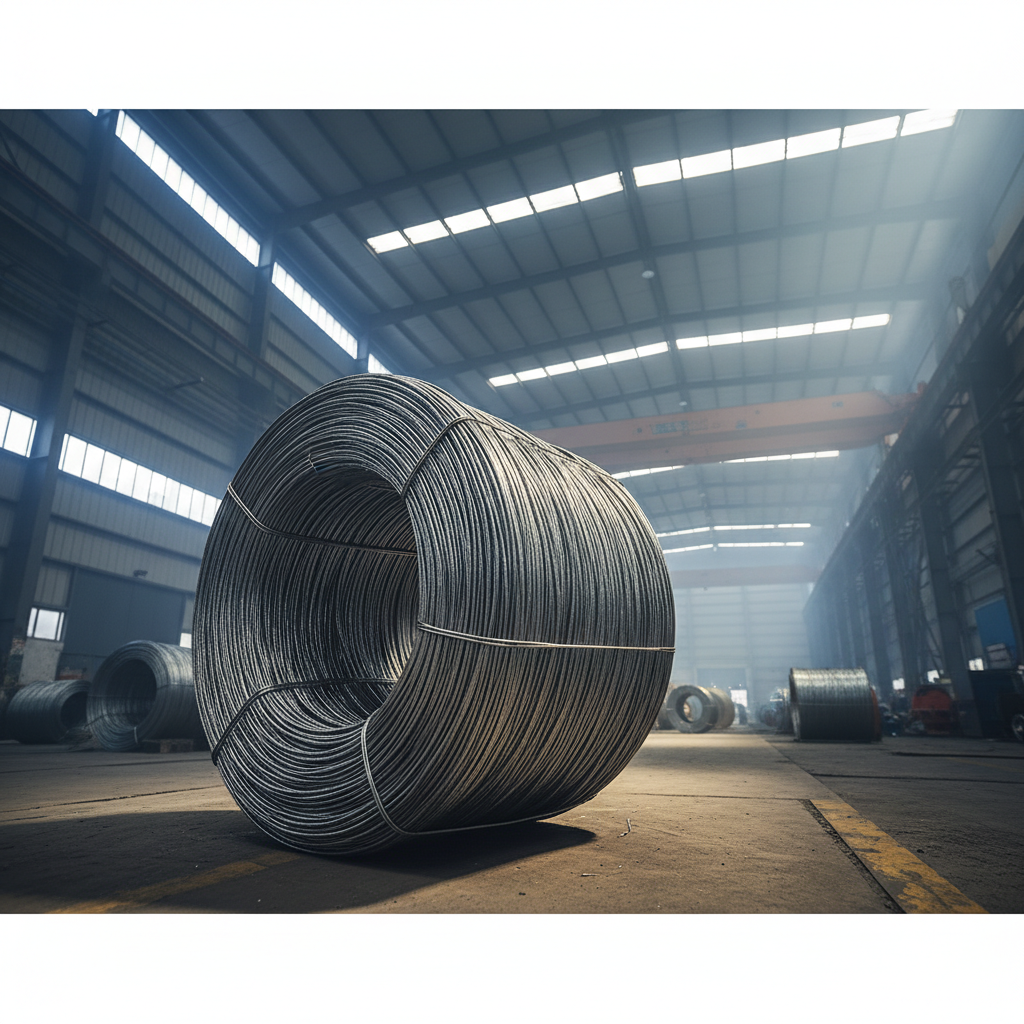
The global manufacturing sector relies heavily on the chemical process of galvanization to extend the lifespan of low carbon steel. By coating the wire with a protective layer of zinc, manufacturers can create a product that resists rust and degradation, providing a reliable method for securing everything from agricultural fencing to industrial packaging. This process transforms basic steel into a resilient tool capable of enduring years of outdoor exposure.
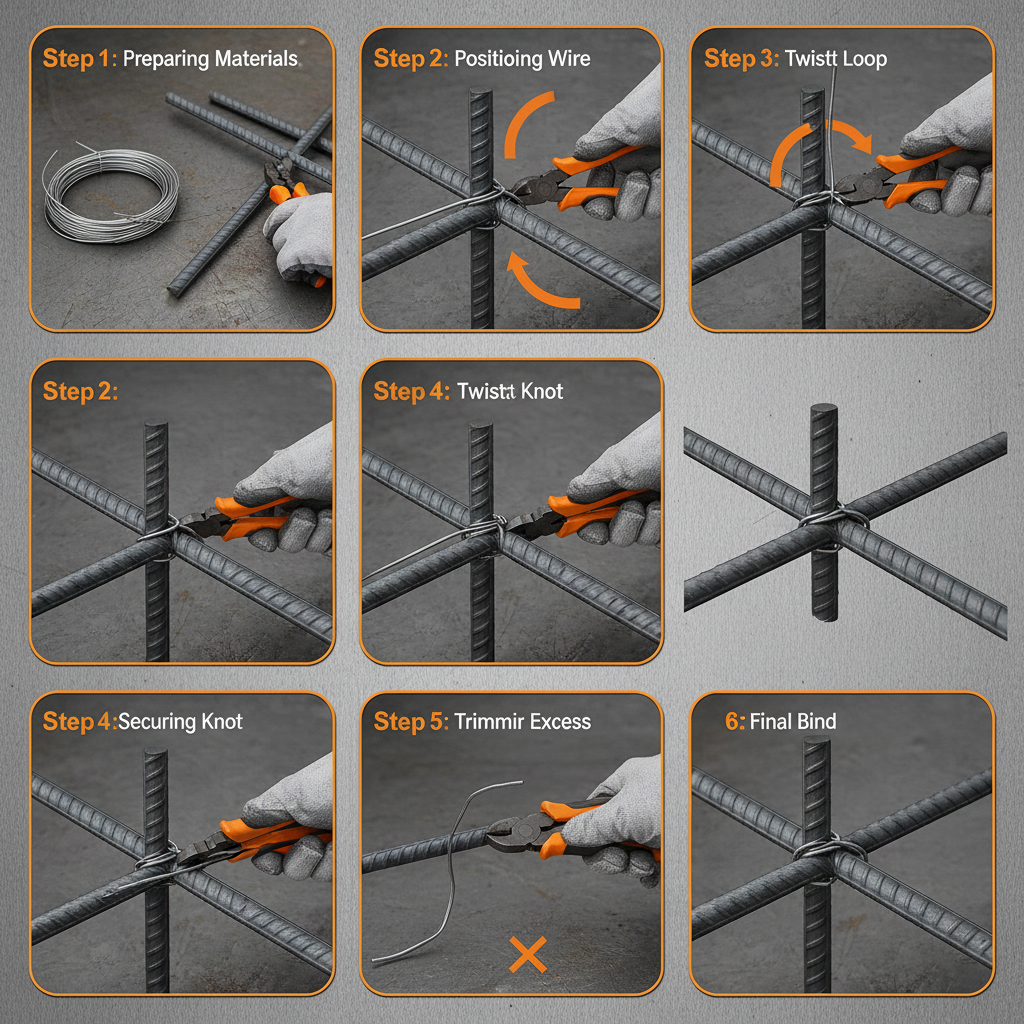
When selecting the right materials for industrial binding, professionals often look for galvanized loop ties that offer a balance of flexibility, tensile strength, and anti-corrosion properties. Whether utilized in construction or animal husbandry, these ties provide the necessary elasticity and grip to ensure long-term stability without the risk of premature snapping or oxidation.
Material Composition and Zinc Coating Standards
The foundation of high-performance binding wire lies in the quality of the base material, typically low carbon steel such as Q195 or SAE1008. This material provides the necessary ductility and malleability required to form galvanized loop ties that can be twisted and looped without cracking or breaking. The purity of the steel ensures that the subsequent zinc coating adheres firmly to the surface, creating a seamless protective barrier.
Zinc coating standards vary significantly depending on the intended application, ranging from 30g/m² to 260g/m². A thicker coating generally correlates with a longer shelf life and higher resistance to corrosive elements. By adhering to ISO9001 certifications, manufacturers ensure that the zinc layer is uniform and free of cracks or joints, which prevents "under-film" corrosion from compromising the steel core.
The Technical Process of Galvanization
The production of premium galvanized wire begins with a rigorous drawing molding process to achieve the precise wire gauge requested by the client. Following the drawing phase, the wire undergoes picking and derusting to remove any surface impurities or oxides. This is a critical step because any residual contamination would prevent the zinc from bonding correctly, leading to premature peeling of the protective layer.
Once cleaned, the wire is subjected to high-temperature annealing. This thermal process relieves internal stresses caused by the drawing phase, restoring the wire's softness and elasticity. This ensures that the resulting ties are flexible enough for manual binding while remaining strong enough to hold heavy loads, a characteristic highly valued in agricultural and construction sectors.
The final stages involve the galvanizing and cooling process, where the zinc is applied. Whether through hot-dipping or electro-galvanizing, the goal is to create a surface that is smooth, glossy, and devoid of spines or scars. This meticulous sequence of technical steps transforms raw low carbon steel into a professional-grade tool for industrial fastening.
Comparative Analysis of Coating Methods
When choosing between different types of galvanized loop ties, the primary distinction lies between hot-dip and electro-galvanized options. Hot-dip galvanizing involves immersing the wire in molten zinc, resulting in a thicker coating (up to 260g/sq.mm²) and a significantly longer lifespan, often ranging from 8 to 15 years depending on the environment.
In contrast, electro-galvanized wire is produced through an electrolytic process, yielding a thinner, smoother, and more aesthetically pleasing zinc layer (typically 8g-15g/sq.mm²). While its shelf life is shorter—generally between 3 to 10 years—it is often preferred for indoor applications or products requiring high surface gloss and precise dimensions.
The decision ultimately depends on the application status. For marine cables or heavy-duty agriculture, the robust protection of hot-dip galvanizing is indispensable. However, for handicrafts, flower binding, or indoor wire mesh weaving, the flexibility and finish of electro-galvanized galvanized loop ties offer a more cost-effective and visually appealing solution.
Performance Metrics and Tensile Strength
The mechanical properties of galvanized wire are defined by its tensile strength and elongation rate. For standard industrial ties, the tensile strength typically ranges between 300 and 550Mpa. This ensures that the ties can withstand significant tension without permanent deformation or failure, making them reliable for structural binding in construction and fencing.
Furthermore, an elongation rate of 10% to 25% provides the necessary "give" to prevent the wire from snapping under sudden stress. This elasticity is what allows the wire to be looped and twisted tightly around objects, maintaining a secure grip while adapting to slight shifts in the materials being bound.
Performance Comparison of Galvanized Loop Ties Variants
Global Industrial Applications
The versatility of galvanized loop ties makes them essential across a multitude of sectors. In the construction industry, they are used extensively as building wire for reinforcing and binding structures. In agriculture and animal husbandry, they are the gold standard for creating durable cages, livestock fencing, and crop support systems where weather resistance is non-negotiable.
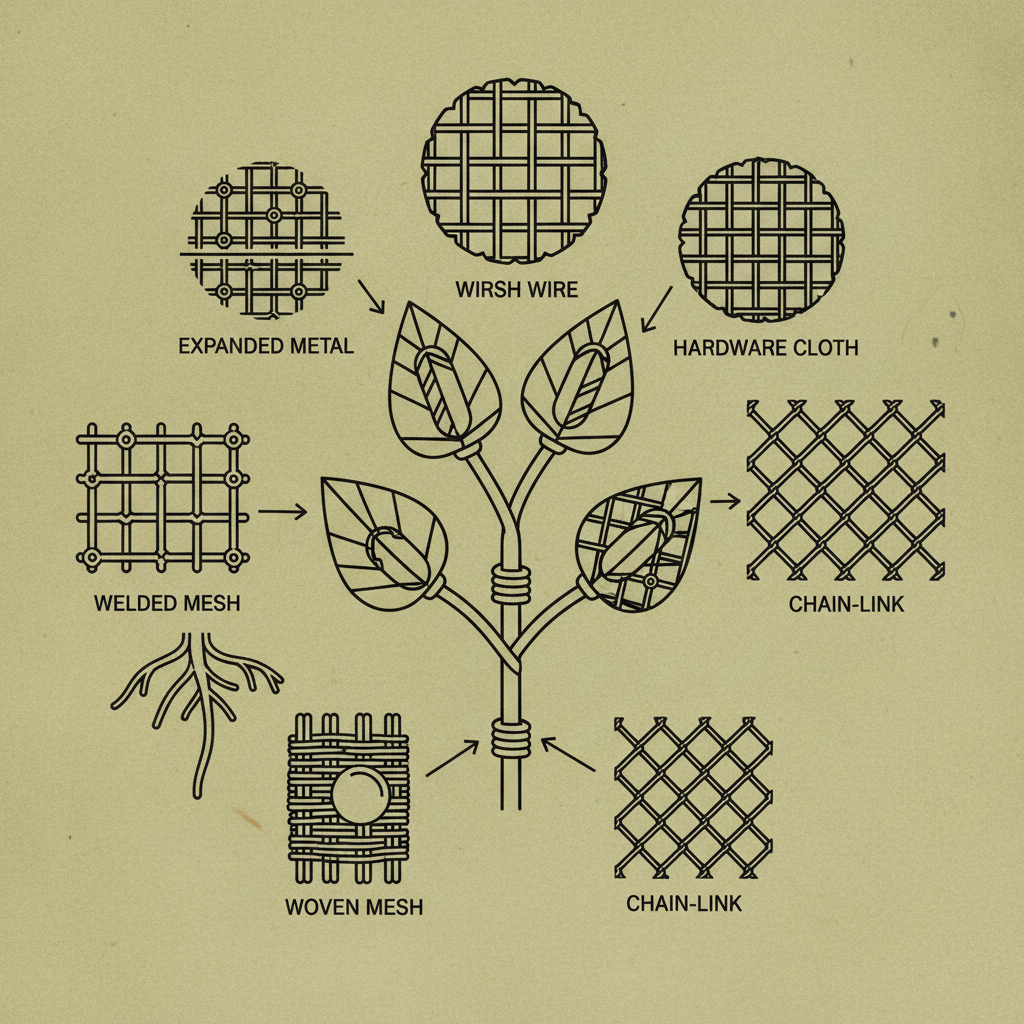
Beyond heavy industry, these wires are critical in the production of wire mesh, marine cables, and product packaging. Their ability to be manufactured in a wide range of gauges—from BWG5 (5.5mm) down to BWG30 (0.3mm)—allows them to be tailored for everything from heavy-duty industrial containment to delicate handicraft work, ensuring a precise fit for any application.
Durability and Environmental Resistance
The primary value proposition of galvanized steel wire is its superior resistance to oxidation. By creating a sacrificial anode, the zinc coating corrodes preferentially to the underlying steel, effectively preventing rust from penetrating the core. This makes galvanized loop ties ideal for high-humidity environments or coastal regions where salt spray would normally destroy untreated steel in a matter of weeks.
Moreover, the adherence of the zinc layer is engineered to be strong and uniform. This prevents flaking and peeling, which are common failure points in lower-quality coated wires. The result is a product that maintains its structural integrity and surface gloss over many years, reducing the need for frequent replacements and lowering long-term maintenance costs.
From an environmental perspective, the durability of these ties contributes to sustainability by extending the lifecycle of the projects they support. Whether it is a fence in a remote pasture or a support cable in a warehouse, the longevity provided by the galvanization process reduces waste and the carbon footprint associated with repeated material replacement.
Selection Guide for Different Gauges
Choosing the correct gauge is paramount to the success of any binding project. A wire that is too thick may be impossible to loop and twist manually, while a wire that is too thin may lack the necessary tensile strength to hold the load. For heavy-duty applications like expressway fencing or industrial containment, gauges closer to BWG5 are recommended.
For more precise work, such as flower binding or the weaving of fine wire mesh, thinner gauges like BWG20 to BWG30 are utilized. These provide the high flexibility and softness required for intricate loops without sacrificing the anti-corrosive benefits of the zinc coating, ensuring that even the smallest galvanized loop ties remain rust-free.
Ultimately, the combination of material (Q195/SAE1008), coating thickness, and gauge diameter determines the performance of the wire. By matching these specifications to the environmental stressors and load requirements of the project, engineers and contractors can ensure maximum reliability and safety.
Technical Specification Matrix for Galvanized Wire Selection
| Coating Type |
Zinc Layer Range |
Estimated Lifespan |
Primary Application |
| Hot-Dip Heavy |
200-260g/m² |
12-15 Years |
Marine/Heavy Industrial |
| Hot-Dip Standard |
60-150g/m² |
8-12 Years |
Agricultural Fencing |
| Electro-Galv Premium |
12-15g/m² |
5-10 Years |
Indoor Mesh Weaving |
| Electro-Galv Basic |
8-10g/m² |
3-5 Years |
Handicrafts/Packaging |
| Low Carbon Soft |
30-60g/m² |
6-8 Years |
General Construction |
| Custom High-Tensile |
Variable |
10+ Years |
Specialized Engineering |
FAQS
Hot-dip galvanizing involves dipping the wire in molten zinc, creating a thick, rugged layer (30-260g/m²) that lasts 8-15 years, making it ideal for outdoor and harsh environments. Electro-galvanizing uses an electric current to apply a thinner, smoother zinc layer (8-15g/m²) with a lifespan of 3-10 years, better suited for indoor use, aesthetics, and precise dimensions.
Selection depends on the load and the method of fastening. For heavy-duty industrial use or fencing, choose thicker gauges like BWG5 (5.5mm). For delicate tasks like handicraft, flower binding, or fine mesh, thinner gauges like BWG20 to BWG30 (down to 0.3mm) are preferred for their superior flexibility and ease of looping.
Our galvanized steel wire typically features a tensile strength ranging from 300 to 550Mpa. This range ensures that the wire can withstand significant pulling forces without snapping, while the elongation rate of 10%-25% allows it to be bent and twisted into secure loops without breaking the zinc coating.
Yes, particularly the hot-dip galvanized variants. The thick zinc coating acts as a sacrificial barrier against salt-water corrosion. For marine cables and coastal infrastructure, we recommend the highest zinc coating specifications (above 200g/m²) to maximize the shelf life and prevent rust penetration in high-salinity air.
Quality is guaranteed through ISO9001 certification, which governs the entire production line—from the selection of low carbon steel (Q195/SAE1008) to the drawing, annealing, and galvanizing processes. This ensures the zinc layer is uniform, possesses strong adhesion, and is free from cracks or joints.
We offer various packaging solutions to suit shipping and handling needs, including binding with wire, plastic film interiors with hessian or woven bags on the outside, and cartons. Coil weights can be customized from 0.1kg to 1000kg per coil to meet specific customer requirements.
Conclusion
In summary, the effectiveness of galvanized loop ties is rooted in the synergy between high-quality low carbon steel and a precisely applied zinc coating. By balancing tensile strength, elasticity, and corrosion resistance, these products provide an indispensable solution for a wide range of industrial, agricultural, and construction needs. The choice between hot-dip and electro-galvanizing, combined with the correct gauge selection, allows users to optimize both the cost and the lifespan of their fastening systems.
Looking forward, the continued refinement of galvanization technologies and adherence to international quality standards will further enhance the sustainability and reliability of steel wire products. For those seeking to ensure the long-term stability of their projects, investing in certified, high-grade galvanized solutions is the most effective way to mitigate the risks of corrosion and mechanical failure. Visit our website for more information: www.yjdwiremesh.com