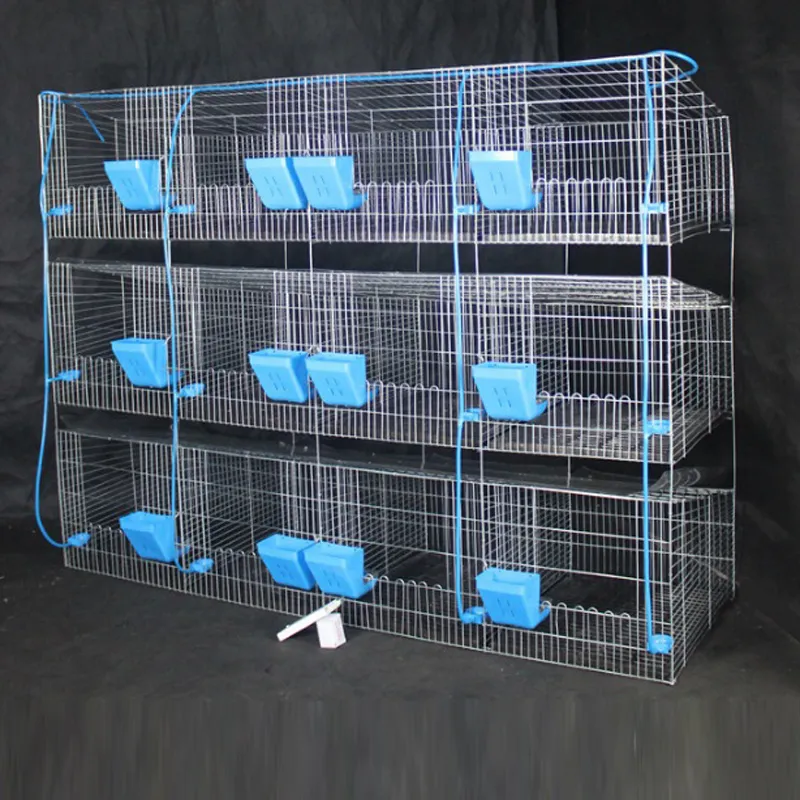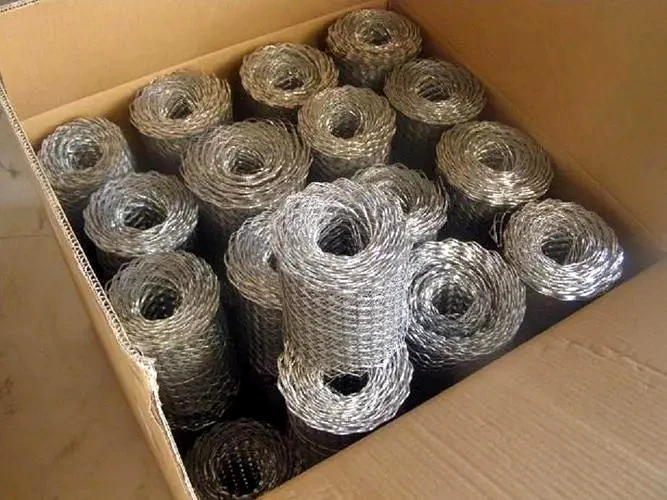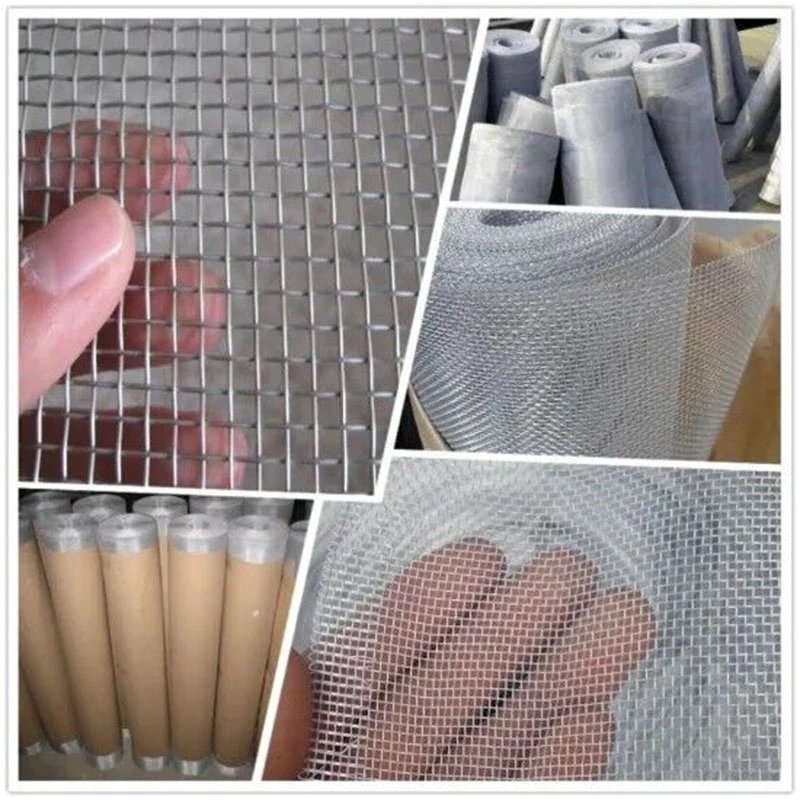
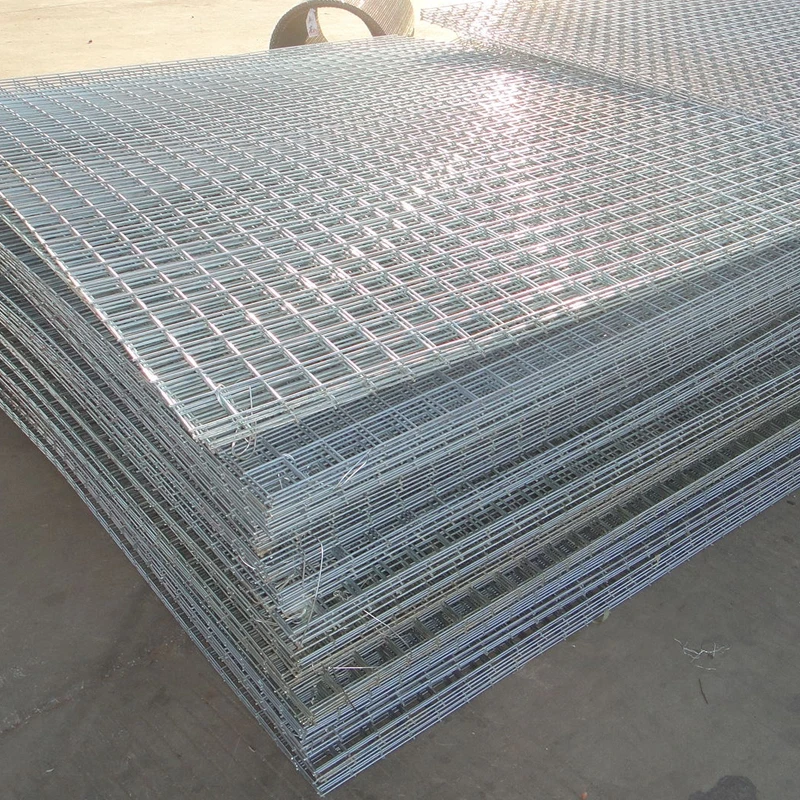
Brazil's manufacturing landscape is heavily driven by large-scale agribusiness and an expanding construction sector. The requirement for thick iron wire is particularly high in regional fencing and structural reinforcement projects, where material strength is non-negotiable for long-term stability.
Geographically, the vastness of the Brazilian territory necessitates robust logistics and materials that can withstand varying environmental conditions. From the humid coastal regions to the interior heartlands, there is a critical need for treated wires that prevent oxidation and maintain structural integrity over time, impacting how local firms evaluate supplier quality.
Many local procurers face challenges with inconsistent material gauges and poor pliability in lower-grade wires. This creates a gap for high-precision products like soft black iron wire, which provides the necessary flexibility for manual tying without sacrificing the tensile strength required for industrial security.