


Regional Analysis
The Cambodian Industrial Wire Market
Analyzing the demand patterns and environmental factors shaping the metal products sector in Cambodia.
Cambodia's industrial landscape is currently characterized by rapid expansion in the construction and agricultural sectors. The demand for high-quality iron wiring is driven by the need for secure infrastructure and efficient farming practices. In urban centers like Phnom Penh, structural binding wire is essential for high-rise development, while in rural provinces, the focus shifts toward livestock fencing and crop support systems. The local market is transitioning from basic utility wires to specialized products that can withstand Cambodia's specific environmental stresses.
Current trends indicate a shift toward higher specification materials. There is an increasing preference for galvanized and annealed products to combat the corrosive effects of the tropical monsoon climate. Furthermore, the integration of more efficient packaging techniques, such as utilizing double loop tie wire, is becoming common in the logistics and garment export industries, which are pillars of the Cambodian economy. This move toward specialization is driven by the need to reduce waste and improve the speed of manual operations.
Despite the growth, constraints remain in the form of supply chain volatility and inconsistent quality among small-scale local distributors. This creates a significant opportunity for established manufacturers who can offer verified technical specifications and stable bulk supply. The outlook for the market is positive, with projected increases in infrastructure spending. Companies that prioritize durability and precision in their wire products will likely capture the most value as Cambodian industry standards align more closely with international benchmarks.
Industry Evolution
The Progression of Wire Manufacturing
From traditional workshops to automated, high-precision industrial production.
1992
Foundation Phase
Started as YinQuan wire factory, focusing on basic wire production and establishing fundamental quality standards in the regional market.
Expansion Era
Capacity Growth
Scaled production facilities to 30,000㎡ and diversified the product line to include specialized wires like U-type and PVC coated options.
Current
Global Integration
Evolution into a modern enterprise with advanced inspection equipment, exporting high-performance wires to Southeast Asia and beyond.
Shift to Automated Drawing
The transition from manual drawing to computer-controlled precision drawing has reduced diameter variance, allowing for the production of ultra-consistent thick iron wire used in heavy-duty industrial applications.
Advanced Thermal Annealing
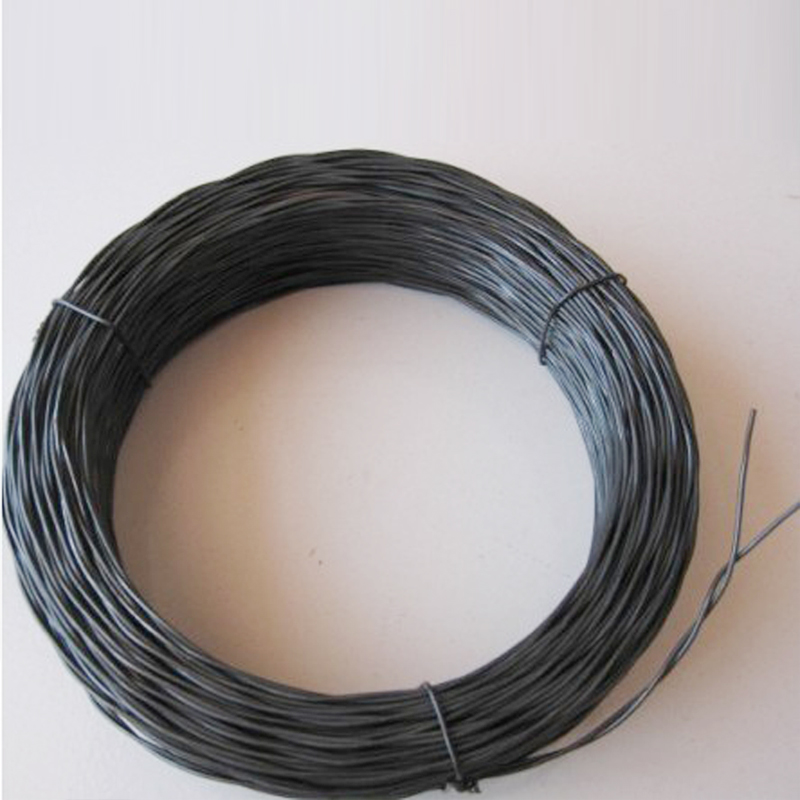
Modern annealing furnaces now allow for precise temperature control, which optimizes the molecular structure of the iron, resulting in a superior soft black iron wire that doesn't snap under pressure.
Diversification of End-Use Forms
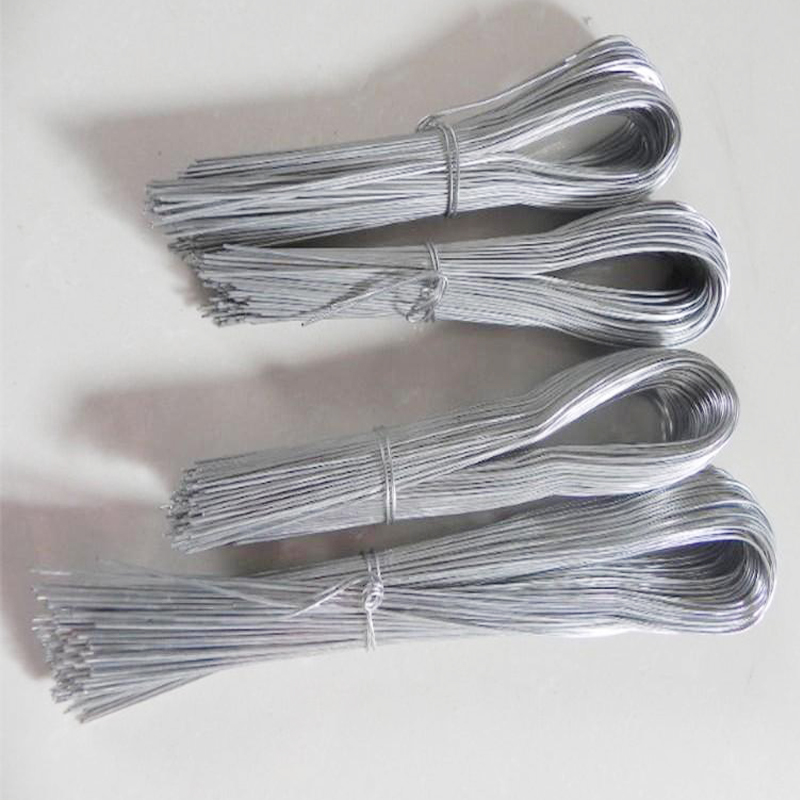
The industry has evolved from selling raw coils to providing processed forms, such as u type wire, reducing the processing burden on the end customer.
Future Outlook
Emerging Trends in Metal Wire Technology
How technological advancements are redefining the standards of the metal wire industry.
Eco-Friendly Coating Systems
The move toward non-toxic, VOC-free PVC and polymer coatings to meet stricter environmental regulations in global export markets.
Smart Tensioning Integration
Development of wires specifically optimized for use with automated tying machinery, emphasizing consistent elasticity and surface smoothness.
High-Tensile Alloy Blending
Introduction of micro-alloyed iron to increase the breaking strength of wires while maintaining a manageable gauge for manual handling.
Just-in-Time Supply Chains
The adoption of regional distribution hubs to reduce the gap between production and local application, minimizing on-site storage costs.
The global movement toward sustainable construction is profoundly impacting how iron wire is manufactured. We are seeing a rise in demand for recyclable materials and production processes that minimize carbon emissions. In Southeast Asia, this translates to a demand for wires that offer longer lifespans, thereby reducing the total volume of scrap metal generated by construction projects. The integration of better zinc-aluminum coatings is one such technological response, providing superior protection against atmospheric salinity and humidity.
Moreover, the digitalization of the supply chain is allowing for better traceability. Modern buyers now demand detailed metallurgical certificates for every batch, ensuring that the tensile strength and chemical composition meet the specific safety requirements of their project. This transition from "commodity purchasing" to "specification-based procurement" favors manufacturers with robust internal testing labs and a transparent quality management system, ensuring that the delivered product exactly matches the engineering design.
Field Applications
Practical Applications in the Cambodian Market
Real-world deployment of iron wire products across diverse local industries.
01
Urban Infrastructure Projects in Phnom Penh
In the dense construction environment of the capital, high-tensile binding wires are used to secure rebar in concrete slabs. The local challenge is the speed of construction; therefore, the use of precisely gauge-controlled wire ensures that workers can tie knots quickly and securely, preventing structural shifts during the concrete pouring phase and ensuring compliance with safety codes.
02
Agricultural Fencing in Battambang Province
Farmers in these regions require durable fencing to protect crops from livestock. Given the soil acidity and high rainfall, standard iron wire often rusts within a year. By deploying galvanized thick iron wire, the lifespan of the fence is significantly extended, reducing the recurring labor cost of fence repair and providing a reliable perimeter for long-term agricultural investment.
03
Garment Export Packaging in Special Economic Zones
The textile industry relies on heavy-duty baling to transport goods. Using double loop tie wire allows for rapid securing of large fabric bales. The key requirement here is a wire that is strong enough to hold weight during sea freight but soft enough to be cut easily upon arrival at the destination port, optimizing the logistics workflow.
04
Industrial Warehouse Racking in Sihanoukville
Port-side warehouses face extreme salinity in the air. For securing shelving and internal partitions, PVC-coated wire is the preferred solution. The polymer layer acts as a barrier against salt-spray corrosion, ensuring that the wiring does not degrade and compromise the stability of stored heavy machinery and export containers.
05
Custom Hardware Manufacturing in Local Workshops
Small-scale manufacturers use u type wire as a base for creating specialized hooks and fasteners. The necessity for a consistent "soft" temper allows these workshops to bend the wire into precise shapes without creating micro-cracks in the metal, ensuring the final hardware products are durable and professional.
Industry Perspectives
Representative Use Case Analysis
Illustrating how different operational roles evaluate high-quality wire products.
In large-scale construction, the reliability of the binding wire is often overlooked until a failure occurs. Transitioning to precision-drawn, annealed wire reduces the frequency of snaps during the tying process, which directly translates to fewer delays in the rebar assembly phase and a more consistent structural foundation.
For agricultural applications, the primary concern is the balance between cost and longevity. Using galvanized wire with a verified coating thickness significantly reduces the annual maintenance cycle for perimeter fencing, allowing for better resource allocation toward crop production rather than constant infrastructure repair.
Logistics efficiency depends on the speed of securing loads. The adoption of specialized tie wires, such as double loop designs, streamlines the packing process in garment export hubs. When the wire has consistent pliability, it reduces operator fatigue and ensures that bales remain secure during long-distance transit.
Our Legacy
Decades of Metallurgical Excellence
The journey of Shijiazhuang Yajiada Metal Products Co.,Ltd from a local factory to a global supplier.
1992
Establishment of YinQuan Factory
Founded as YinQuan wire factory, the company began its journey with a commitment to providing quality goods and excellent service, laying the groundwork for metallurgical expertise.
Growth Phase
Infrastructure Expansion
Expanded the production footprint to 30,000㎡, integrating a comprehensive building material production base in Shijiazhuang, Hebei, to enhance manufacturing efficiency.
Modernization
Technical Advancement
Became a modern enterprise featuring 10 senior engineers and over 300 technical staff, supported by 100+ sets of high-end production and inspection equipment.
Global Outreach
International Market Penetration
Successfully expanded sales to Southeast Asia, the Middle East, Africa, and the Americas, building a reputation for honesty and quality that attracts long-term global partners.

Technical Support
Frequently Asked Questions
Detailed answers to common inquiries regarding metal wire specifications and procurement.
What is the primary difference between galvanized and black annealed iron wire for outdoor use?
The primary difference is corrosion resistance. Galvanized wire is coated with a layer of zinc, which protects the underlying steel from oxidation, making it ideal for humid environments like Cambodia's. Black annealed wire has been heat-treated to remove internal stresses, making it softer and more pliable for binding, but it is more susceptible to rust unless treated or used indoors. For outdoor fencing, galvanized is the standard choice; for internal construction tying, annealed is preferred.
How do I determine the correct gauge for thick iron wire in structural applications?
Selecting the gauge depends on the required tensile strength and the load the wire must support. For light binding, a thinner gauge is sufficient. For structural support or heavy-duty fencing, thick iron wire is required to prevent stretching or snapping under tension. We recommend reviewing the technical load requirements of your project; our engineers can then suggest a specific gauge that balances cost-efficiency with the necessary safety margins to ensure structural integrity.
Are double loop tie wires more efficient than standard twist wires for industrial packaging?
Yes, double loop tie wires are significantly more efficient for high-volume packaging. They are designed for rapid application and removal, reducing the time spent per bale compared to manual twisting. This efficiency is particularly valuable in the export industry, where thousands of units are processed daily. The double loop mechanism provides a secure hold during transit while allowing for a clean, fast cut upon delivery, thereby optimizing the overall logistics chain.
How does the annealing process improve the pliability of soft black iron wire?
Annealing involves heating the wire to a specific temperature and then cooling it slowly. This process relieves the internal stresses created during the cold-drawing phase, transforming the metal's crystalline structure. The result is a wire that is much softer and more ductile, allowing it to be bent and twisted repeatedly without cracking or breaking. This is essential for construction workers who need to tie rebar securely and quickly without the wire snapping.
What quality certifications or testing protocols do your metal products undergo?
Every batch of our products undergoes a series of rigorous tests using our 100+ sets of inspection equipment. This includes tensile strength testing to determine the breaking point, gauge verification for diameter consistency, and coating thickness measurements for galvanized products. We accept all standard industrial tests to underline our commitment to quality control. This ensures that every roll of wire shipped to Cambodia meets the specified technical requirements and performance standards.
What is the best way to order customized wire specifications for a specific project?
The most effective way is to provide a detailed technical sheet including the required material (e.g., galvanized or annealed), the exact gauge or diameter, the intended application, and the total volume needed. Once we have these specifications, our senior engineers will evaluate the requirements and propose the most cost-effective wire type. You can then request a sample batch for on-site testing before proceeding with a full-scale order to ensure the product perfectly suits your project's operational needs.
Ready to Upgrade Your Supply
Secure High-Performance Metal Wiring for Your Cambodian Projects
Whether you are managing a large-scale construction site in Phnom Penh or optimizing agricultural fencing in the provinces, our precision-engineered wire products provide the durability and consistency your operations require. Partner with a manufacturer that combines 30 years of experience with modern quality control to ensure your projects are built to last. Contact us today to discuss your technical specifications and receive a tailored quotation for your specific needs in Cambodia.
Discuss Your Requirements


