

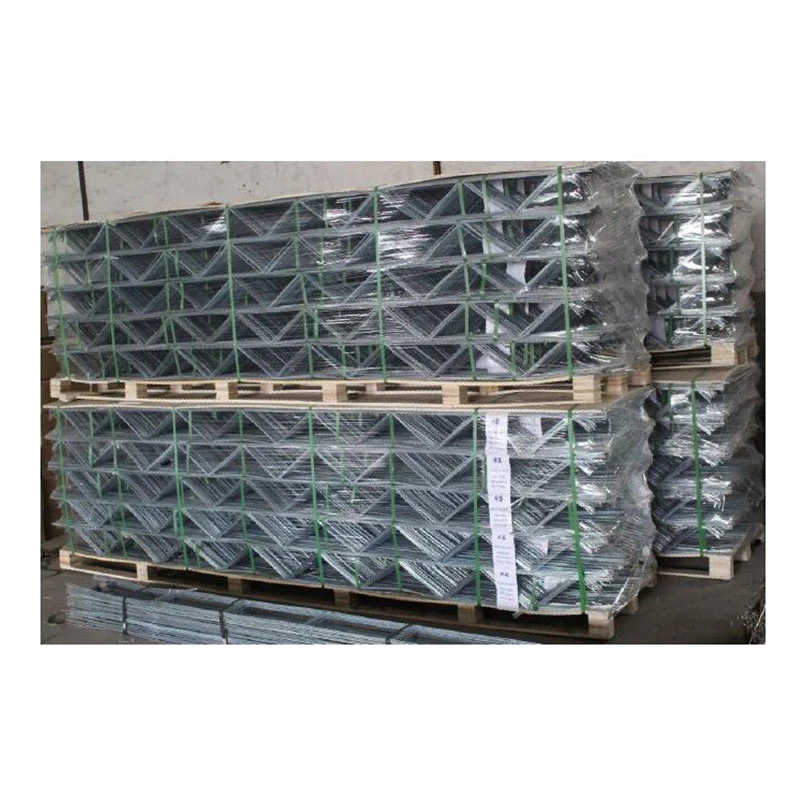
Ecuador's industrial landscape is characterized by a strong reliance on agricultural exports and growing urban infrastructure. In this environment, the demand for reliable iron wiring is critical. From the coastal banana plantations to the Andean highland construction sites, the requirement for corrosion-resistant and structurally sound wiring ensures that logistical frameworks and agricultural supports remain stable despite the humid and varied tropical climate.
Within the local manufacturing hubs, there is a shift toward utilizing thick iron wire to support heavier machinery and industrial fencing. Procurement officers often seek materials that balance tensile strength with cost-efficiency. The trend is moving toward specialized shapes, such as the u type wire, which is increasingly utilized in specialized fastening and packaging applications across the regional logistics chain.
From an industry perspective, the transition toward higher automation in Ecuadorian factories necessitates more consistent material specifications. Companies are no longer looking for generic supplies but for tailored solutions. The integration of precision-engineered wires helps local enterprises reduce waste and improve the longevity of their assets, aligning with the broader regional goal of enhancing manufacturing productivity through higher-grade raw material imports.