


Professional Iron Wire Manufacturing for Rwandan Markets
From heavy-duty structural reinforcement to precision industrial tying, our metal products provide the reliability needed for Rwanda's diverse environmental conditions.
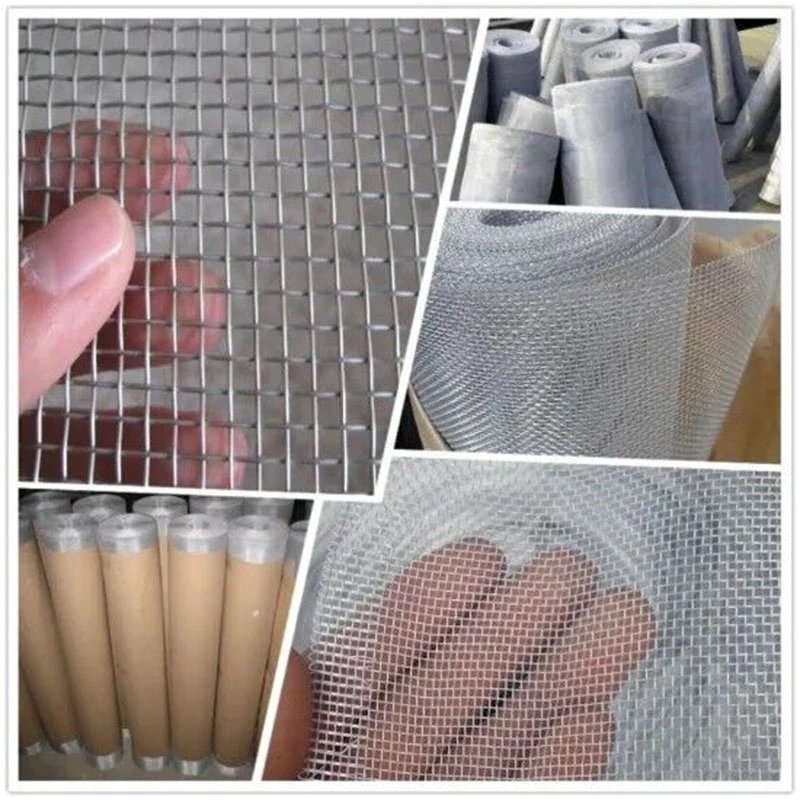
Square Mesh
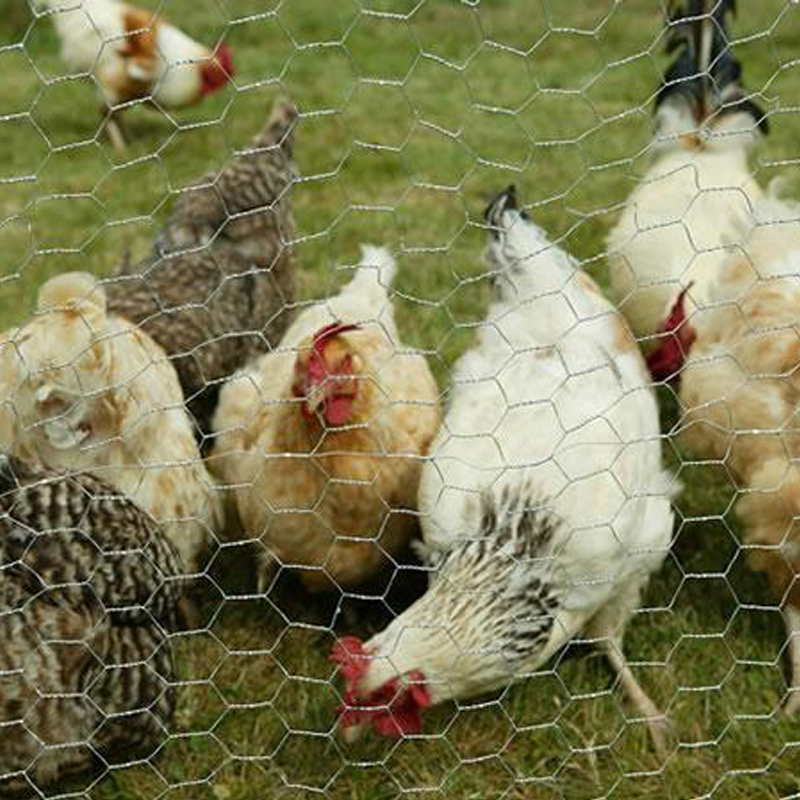
Hexagonal Wire Netting
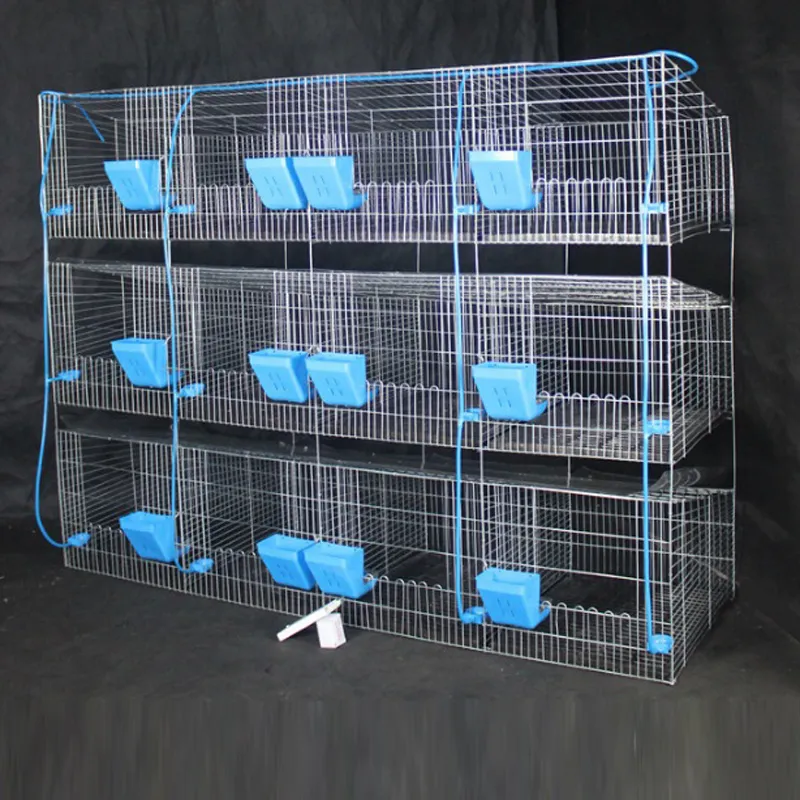
Pvc/Galvanized Rabbit Cage
Wire Product Demand and Industrial Integration in Rwanda
Analyzing the intersection of metal fabrication and Rwandan infrastructure growth.
Rwanda's rapid urbanization and the expansion of its transport networks have created a significant demand for high-quality industrial materials. In the construction sector, the need for iron wiring is paramount for reinforcing structures and securing building frameworks. Local projects increasingly require materials that can withstand varying humidity and temperature fluctuations, ensuring that the longevity of the infrastructure is not compromised by oxidation or premature wear.
Within the agricultural landscape, which remains a cornerstone of the Rwandan economy, the use of soft black iron wire is essential for crop support and livestock fencing. The challenge for local procurement often lies in balancing cost-efficiency with tensile strength. Many enterprises are now shifting toward standardized, factory-certified products to reduce waste and improve the efficiency of large-scale farming deployments across the hilly terrains of the region.
As Rwanda continues to modernize its manufacturing base, there is a growing opportunity for the integration of specialized components like u type wire and custom tie solutions. By transitioning from rudimentary local materials to engineered metal products, Rwandan businesses can achieve higher precision in assembly and packaging, ultimately enhancing the export quality of their own finished goods in the East African Community.
The Evolution of Industrial Wire Application
Tracing the transition from basic utility to precision engineering in metal wire products.
Development Milestones
Early Phase
Basic Utility Adoption
Wire products were primarily used for simple fencing and basic binding in traditional agriculture and small-scale masonry.
Expansion Era
Infrastructure Integration
Increased use of galvanized and thick gauge wires for urban construction, bridging, and larger industrial facility frameworks.
Modern Era
Precision Customization
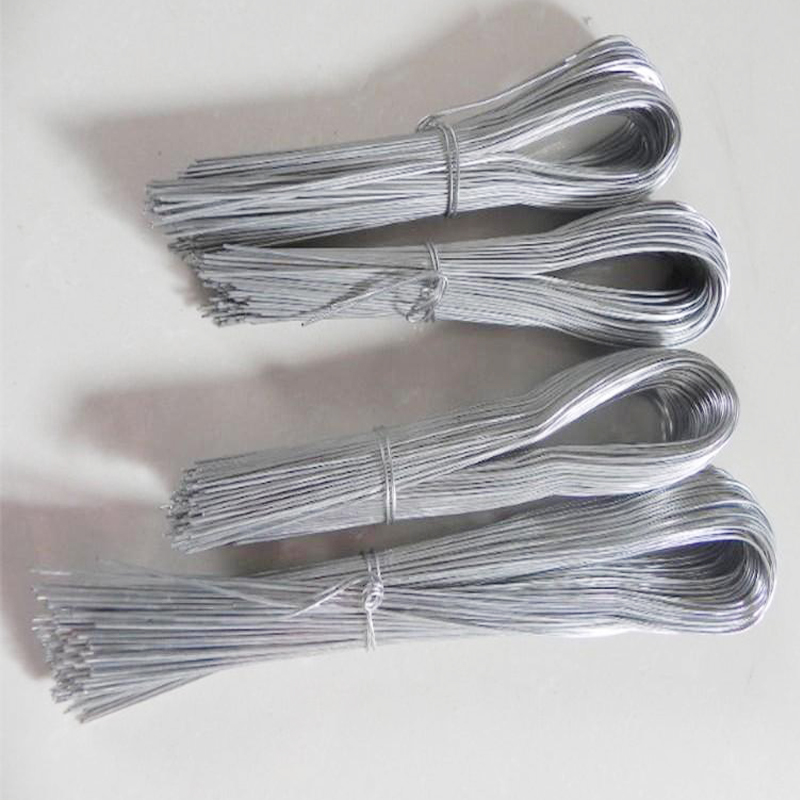
Shift toward specialized forms such as double loop tie wire for automated packaging and high-efficiency industrial fastening.
Emerging Industry Trends
- Material Optimization Focusing on high-tensile alloys to reduce the total volume of metal required without sacrificing structural integrity.
- Anti-Corrosion Tech Implementation of advanced coatings to prolong the life of iron products in tropical and humid African climates.
- Standardized Procurement A transition toward bulk, certified industrial sourcing to ensure consistency across multi-site construction projects.
Global Metal Wire Production Trends
How modern manufacturing is reshaping the supply and application of iron products.
Production Automation
The shift toward CNC-driven drawing and cutting processes allows for micron-level precision in u type wire production, reducing material waste.
Cost-Efficiency Sourcing
Direct factory procurement is replacing multi-layered distribution to lower the land-cost of heavy metal products in regional markets.
Application Diversification
Wire products are expanding beyond construction into advanced textile baling and specialized electronic component securing.
Quality Standardization
Adherence to international tensile and corrosion standards is now a primary requirement for high-value infrastructure contracts.
The future of the metal wire industry is characterized by a move toward "Smart Materials." We expect a rise in composite coatings that offer both extreme flexibility for tying and unmatched resistance to environmental degradation, which is critical for the humid climates of Rwanda.
Supply chain resilience has also become a priority. By leveraging large-scale production bases in China, Rwandan importers can secure a steady flow of consistent materials, avoiding the volatility of small-batch local production and ensuring project timelines are met.
Practical Application Scenarios in Rwanda
How our specialized wire products solve real-world challenges across different Rwandan sectors.
1
Urban Construction Sites
Contractors utilize thick iron wire for securing rebar and structural supports in Kigali's expanding commercial districts, ensuring seismic stability and load-bearing safety.
2
Agricultural Crop Management
Farmers in rural provinces employ soft black iron wire for trellis systems in coffee and tea plantations, providing flexible yet strong support for plant growth.
3
Logistics & Warehousing
Industrial packaging centers use double loop tie wire to secure heavy bales of export goods, ensuring cargo remains intact during transit to East African ports.
4
Industrial Manufacturing
Small-to-medium factories integrate u type wire into their assembly lines for component fastening, improving the speed and consistency of their production cycles.
5
Public Infrastructure Fencing
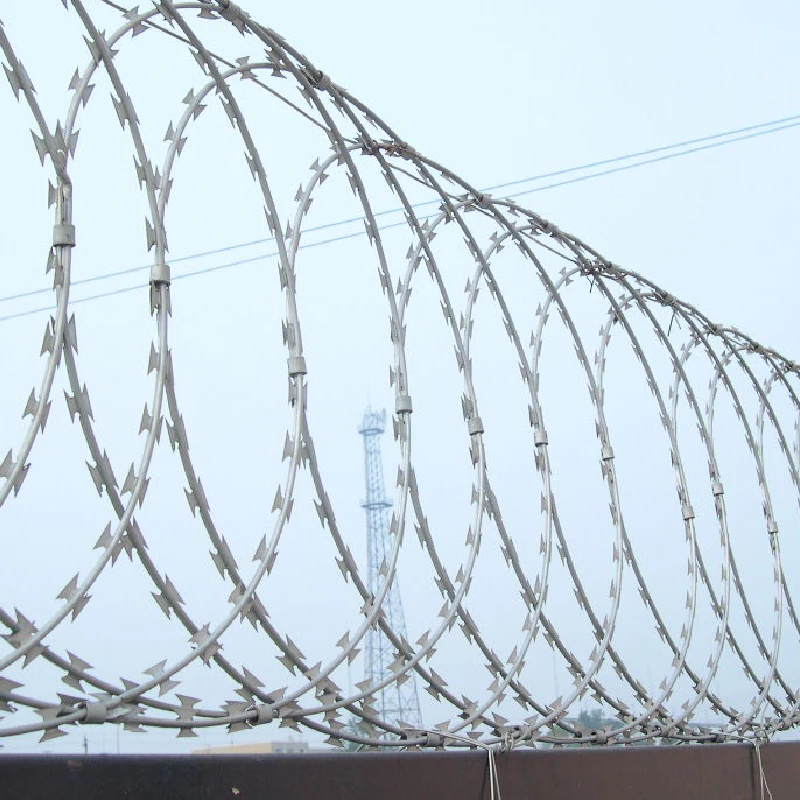
Governmental projects for park and road boundaries utilize high-gauge iron wiring to create durable perimeters that resist environmental wear and unauthorized access.
Brand Story
Shijiazhuang Yajiada Metal Products Co.,Ltd's Global Development Journey
1992
Founding & Legacy
Originally established as YinQuan wire factory, focusing on core iron wire production with a commitment to quality and service.
Growth Phase
Capacity Expansion
Scaled manufacturing operations to a 30,000㎡ facility, optimizing production for global export standards.
Modernization
Technical Advancement
Integrated 100+ sets of advanced inspection and production equipment, led by a team of senior engineers and 300+ technical staff.
Market Reach
Global Diversification
Expanded sales network across Southeast Asia, Middle East, and the Americas, establishing a strong reputation for honesty and quality.
Recent Focus
African Market Growth
Successfully tailored product lines for the African market, becoming a preferred supplier for regional infrastructure and agricultural projects.
Future
Mutual Benefit
Continuing to build long-term business relations globally based on the tenet of "quality survival" and "mutually beneficial win-win."
Comprehensive Metal Wire Portfolio for Rwandan Industry
Explore our full range of iron wire, nails, and mesh solutions designed for durability and industrial efficiency.

Industrial Wire Procurement FAQ
Addressing technical and commercial questions for Rwandan importers and contractors.
What are the typical tensile strength specifications for thick iron wire used in construction?
Our thick iron wires are manufactured to meet rigorous industrial standards, ensuring high tensile strength suitable for structural reinforcement. Specific parameters are customized based on the required grade, but all products undergo strict quality inspection to ensure they meet load-bearing requirements.
How is soft black iron wire treated to ensure it is suitable for agricultural use?
Soft black iron wire undergoes an annealing process that increases its ductility and flexibility, making it easy to tie and shape without snapping. This makes it ideal for crop support and temporary fencing in Rwandan farming environments.
What quality control measures are in place for double loop tie wire production?
We utilize over 100 sets of production and inspection equipment. Each batch of double loop tie wire is tested for loop consistency, tensile strength, and coating uniformity to ensure seamless operation in automated packaging machinery.
Can we customize the dimensions and forms of u type wire for specific industrial needs?
Yes, we provide customized fabrication for u type wire. Our engineering team can adjust the wire gauge, length, and bend radius to match your specific machinery or fastening requirements, ensuring a perfect fit for your application.
What is the expected lifespan of iron wiring when exposed to Rwandan humidity?
Lifespan depends on the coating. While black annealed wire is excellent for flexibility, for high-humidity environments, we recommend galvanized options which provide a protective zinc layer to significantly delay oxidation and corrosion.
How does sourcing directly from a 30,000㎡ factory improve ROI for large projects?
Direct factory sourcing eliminates intermediary margins and ensures consistent product quality across huge volumes. This reduces waste from defective materials and lowers the overall cost per unit, significantly improving the project's bottom line.
Secure High-Performance Metal Wire for Your Rwanda Project
Leverage our 30 years of manufacturing expertise to optimize your construction and agricultural supply chain. Contact us for customized specifications and bulk pricing.
Request a Technical Quote


