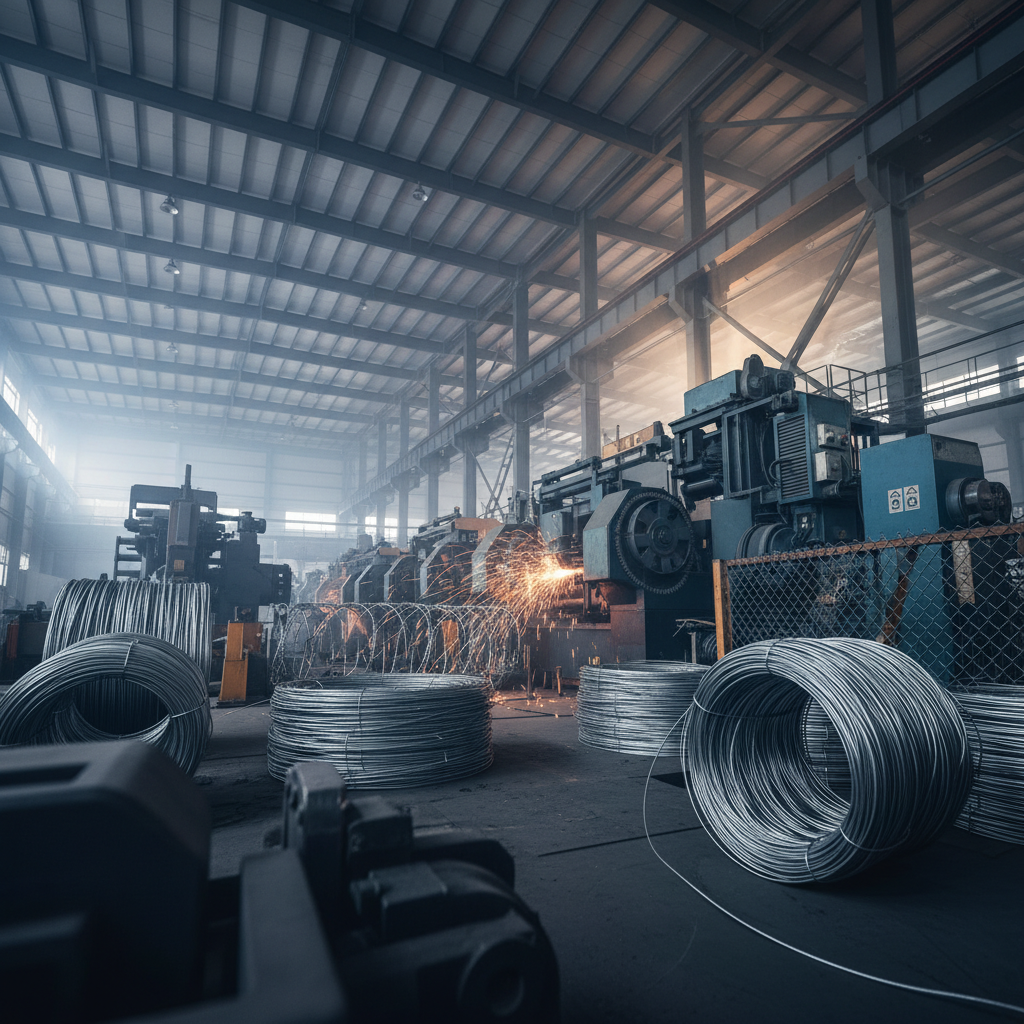
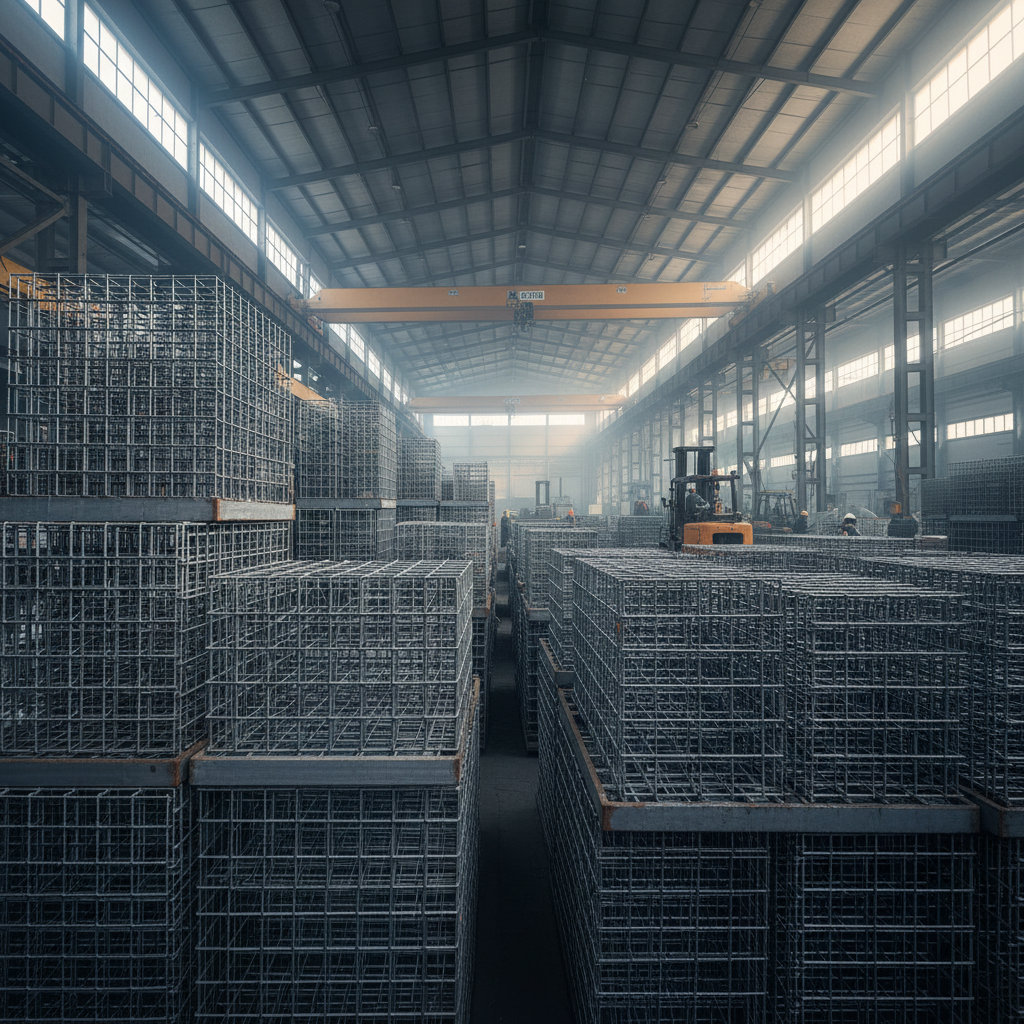
The global manufacturing sector relies heavily on versatile raw materials that balance strength with malleability, and among these, the role of specialized steel wire is paramount. Whether it is used in construction, automotive components, or the production of essential fasteners, the quality of the base wire determines the longevity and safety of the final product. Understanding the nuances of wire drawing and material composition is essential for procurement managers and engineers worldwide.
In the competitive landscape of metal products, achieving the right tensile strength and surface finish can be the difference between a successful project and a costly failure. Many industries struggle to find a consistent supply of wire that meets strict ISO standards while remaining cost-effective. This is where high-quality cold-drawn and processed wires become indispensable, offering a reliable foundation for diverse industrial applications.
For those seeking a dependable source for nail production and construction reinforcement, utilizing a high-grade black annealed steel wire or cold-drawn equivalent ensures optimal performance. By adhering to strict material specifications like Q195 and SAE1008, manufacturers can guarantee that their finished goods possess the necessary durability to withstand extreme industrial stresses.
Industrial Significance of Black Annealed Steel Wire
The industrial utility of black annealed steel wire and its cold-drawn counterparts lies in their exceptional versatility. By utilizing low-carbon steel, such as Q195 or SAE1008, manufacturers can produce wires that are easily shaped yet strong enough to support heavy structural loads. This balance is critical for the production of common nails, roofing nails, and wire mesh, which are the backbone of the global construction industry.
Beyond simple fasteners, these materials are essential for mesh welding and specialized hangers. The ability to provide diameters ranging from 0.3mm to 6mm allows for a massive scale of application, from delicate precision components to heavy-duty industrial binding. This adaptability ensures that the wire meets the diverse needs of markets in South America, Europe, Asia, and Africa.
Material Specifications and Technical Composition
The foundation of a high-quality wire product is its chemical composition. For professional-grade nail wire, low carbon steel grades like Q195 and Q235 are preferred due to their ideal balance of ductility and strength. These materials ensure that during the nail-making process, the wire does not snap under the pressure of the heading machine, yet provides a firm grip once driven into wood or masonry.
Tensile strength is another critical parameter, typically ranging between 300 and 500 N/mm². This specific range is engineered to prevent deformation during transport and installation while allowing for the necessary flexibility during the cold-drawing process. When specifications are tightly controlled, the resulting product exhibits uniform hardness across the entire coil.
Furthermore, the gauge of the wire—ranging from BWG4 to BWG25—allows for precise customization based on the intended end-use. Whether the requirement is for a thick 6mm structural wire or a fine 0.5mm fastener wire, the consistency of the material grade ensures that the physical properties remain stable regardless of the diameter.
The Cold Drawing Process and Surface Treatment
The production of black annealed steel wire often involves a sophisticated cold drawing process. In this method, the low carbon wire is pulled through a series of dies at room temperature, which reduces the diameter and increases the tensile strength through work hardening. This process is vital for achieving the precise dimensions required for automatic nail-making machinery.
Surface treatment plays a key role in the functionality of the wire. The "black" finish is a result of the manufacturing process and the natural oxide layer that forms on the low carbon steel. This surface is ideal for nail production as it provides a natural grip and can be easily coated or galvanized if additional corrosion resistance is required for outdoor environments.
Packaging and handling are the final steps in ensuring the quality of the wire. To prevent oxidation and mechanical damage during international transit to the Middle East or Europe, coils are typically wrapped in plastic film and protected by outer woven or hessian bags. This ensures that the black annealed steel wire arrives at the factory in optimal condition for immediate processing.
Performance Metrics for Nail Manufacturing
When evaluating wire for nail production, the focus shifts to the efficiency of the drawing process and the resulting strength of the fastener. Cold-drawn wire is specifically engineered to minimize waste during the cutting and heading phases. A high-quality wire allows for faster machine speeds and lower breakage rates, directly increasing the profitability of nail manufacturing plants.
The relationship between wire gauge and tensile strength is paramount. For example, thinner gauges like BWG18 require a different tension profile than thicker BWG5 wires to ensure the nail head does not shear off during hammering. This technical precision is what separates industrial-grade wire from generic alternatives.
Performance Comparison of Steel Wire Types
Global Market Applications and Use Cases
The application of low-carbon steel wire extends far beyond simple nail making. In the construction sector, these wires are utilized for mesh welding, creating reinforced grids that provide structural integrity to concrete floors and walls. In the agricultural sector, the flexibility of the wire allows for the creation of animal cages and fences that are durable yet adaptable to different terrains.
Across various global markets, including South America and the Middle East, this material is sought after for its cost-to-performance ratio. Whether it is being used for roofing nails in humid tropical climates or industrial hangers in European warehouses, the stability of the Q195 grade ensures a long service life and reliable mechanical properties.
Quality Assurance and ISO Certification Standards
To maintain a competitive edge in the international market, adherence to ISO9001 standards is non-negotiable. Quality assurance begins with the raw material procurement, ensuring that the low carbon steel is free from impurities that could cause fractures during the drawing process. Each batch is tested for tensile strength and diameter consistency to meet the exacting requirements of global buyers.
Rigorous testing protocols involve measuring the breaking load of the wire at various points along the coil. This ensures that the tensile strength remains within the 300-500 Mpa range. For manufacturers, this consistency means fewer machine stoppages and a higher percentage of first-pass yield in their production lines.
Furthermore, the certification process covers the entire supply chain, from the smelting of the steel to the final packaging. This holistic approach to quality management provides customers with the confidence that the wire they receive will perform exactly as specified, regardless of the volume of the order.
Comparative Analysis of Steel Wire Grades
Choosing the right grade of wire is a critical decision that impacts both the cost and the durability of the end product. While Q195 is the industry standard for common nails due to its excellent ductility, Q235 may be selected for applications requiring slightly higher strength. Understanding these differences allows engineers to optimize their designs for both safety and economy.
The comparison between cold-drawn wire and hot-rolled wire is also essential. Cold drawing results in a smoother surface finish and a tighter dimensional tolerance, which is why it is the preferred choice for automated fastener production. Hot-rolled wire, while cheaper, often lacks the precision required for high-speed nail machines.
Ultimately, the selection depends on the specific application—whether it is for a temporary construction hanger or a permanent structural nail. By analyzing the tensile strength, material grade, and surface treatment, procurement officers can ensure they are sourcing the most efficient material for their specific needs.
Comparison of Steel Wire Specifications for Industrial Use
| Material Grade |
Tensile Strength (Mpa) |
Primary Application |
Ductility Rating (1-10) |
| Q195 Low Carbon |
300-400 |
Common Nails |
9 |
| Q235 Medium Carbon |
400-500 |
Welded Mesh |
7 |
| SAE1008 |
300-450 |
Precision Fasteners |
10 |
| Hard Type Black |
450-550 |
Roofing Nails |
6 |
| Cold Drawn Base |
350-400 |
General Iron Wire |
8 |
| Custom Alloy |
500+ |
Heavy Duty Hangers |
5 |
FAQS
For common nail production, low carbon steel grades such as Q195 or SAE1008 are ideal. These materials provide a perfect balance of tensile strength (typically 300-400 Mpa) and ductility, which ensures that the nails can be formed and headed without snapping, while remaining strong enough to hold structural loads in wood and construction projects.
Cold drawing involves pulling the wire through dies at room temperature, which compresses the grain structure. This process increases the tensile strength of the wire and provides a much smoother surface finish and more precise diameter (from 0.3mm to 6mm). This precision is critical for high-speed automated nail-making machinery to operate without frequent jams.
Depending on the application, the ideal tensile strength usually ranges between 300 and 500 N/mm². For standard common nails, 300-400 Mpa is typically sufficient. For roofing nails or specialized construction fasteners that require more rigidity, a higher strength of 400-500 Mpa is recommended to prevent the fastener from bending under heavy stress.
Yes, Q195 steel wire is widely exported to markets in South America, Europe, Asia, and the Middle East. To prevent corrosion during sea transit, it is essential that the coils are wrapped in plastic film with outer woven or hessian packaging. This protection maintains the surface quality of the black iron wire until it reaches the manufacturing facility.
Standard coil weights typically range from 100kg to 200kg per coil for easier handling. However, many manufacturers can provide custom weights ranging from 25kg up to 1000kg per coil to match the specific capacity of the customer's decoiling equipment and production line requirements.
Absolutely. Low carbon steel wires like Q195 and Q235 are excellent for mesh welding because their chemical composition allows for strong, clean welds. The consistency in diameter and the smooth surface finish ensure that the welding points are secure, making them ideal for animal cages, fencing, and industrial flooring grids.
Conclusion
The strategic selection of black annealed steel wire and cold-drawn alternatives is fundamental to the efficiency of the nail-making and construction industries. By prioritizing material grades like Q195 and SAE1008, and ensuring adherence to ISO9001 standards, manufacturers can achieve a synergy of strength, flexibility, and cost-effectiveness. From precise gauge control to optimized tensile strength, every technical detail contributes to the reliability of the final architectural or industrial product.
As the global infrastructure continues to expand, the demand for high-performance steel wire will only grow. Investing in quality raw materials not only reduces production waste but also enhances the safety and longevity of the built environment. For those seeking to optimize their supply chain with premium industrial wire, we invite you to explore our comprehensive range of solutions. Visit our website: www.hebeiwiremesh.com