


Regional Analysis
The Metal Products Landscape in Kenya
Kenya serves as the primary gateway for industrial materials in East Africa, driving significant demand for high-quality wiring.
Kenya's industrial sector is characterized by a rapid expansion of urban infrastructure and a robust agricultural base. From the bustling construction sites of Nairobi to the vast tea and coffee plantations in the highlands, the need for reliable iron wiring is pervasive. The market is currently transitioning from reliance on generic, low-grade imports to a demand for engineered products that offer specific mechanical properties, such as precise gauge thickness and optimized ductility for manual tying.
Current trends indicate a shift toward specialized applications. In the agricultural sector, there is an increasing adoption of automated bundling, which creates a surge in demand for precision-formed items like the double loop tie wire. Simultaneously, the construction industry is prioritizing safety and longevity, leading to a preference for thick iron wire with certified tensile strengths. This transition is driven by the government's focus on durable infrastructure and the need to reduce long-term maintenance overheads in public works.
Despite the growth, constraints remain in the form of logistical costs and quality variance among local suppliers. This creates a significant opportunity for established manufacturers who can provide consistent, large-scale shipments with verified quality control. The outlook for the Kenyan metal wire market is positive, with projected growth tied to the "Big Four" agenda and the expansion of the East African Community (EAC) trade corridors, favoring suppliers who offer both technical expertise and reliable supply chain stability.
Industry Journey
Evolution of Industrial Wire Application
Tracing the transition from basic iron binding to high-precision engineered wiring solutions.
Early Phase
Basic Binding
Reliance on generic iron wires with inconsistent gauges, often leading to frequent breakage and inefficient manual labor in early construction projects.
Growth Phase
Standardization
Introduction of annealed soft black iron wire and galvanized coatings to combat corrosion, improving the lifespan of agricultural and urban fences.
Current Phase
Precision Engineering
Adoption of specialized forms like u type wire and double loop ties to support automation and high-tension industrial requirements.
From Manual to Semi-Automated
The shift from hand-twisted ties to precision-formed clips has reduced labor costs per unit by eliminating the need for skilled manual twisting in packaging lines.
Environmental Adaptation
Development of specialized coatings tailored for the alkaline soils and salt-heavy air of the Kenyan coast, moving beyond standard galvanization to composite protections.
Tensile Optimization
Moving from "thick" as a proxy for strength to "certified tensile grade," where the molecular structure of the wire is optimized for specific load-bearing capacities.
Future Outlook
Emerging Trends in Metal Wire Technology
The industry is moving toward smarter materials and more efficient application methods to meet global sustainability goals.
High-Precision Gauge Control
Advanced laser measurement systems are now used to ensure that every millimeter of wire adheres to strict tolerances, reducing waste in automated machinery.
Eco-Friendly Surface Treatments
Transitioning from traditional chemical baths to powder-based or low-emission coatings to reduce the environmental footprint of metal production.
Smart Bundling Integration
Development of wires that integrate with IoT-enabled packaging systems, allowing for real-time tension monitoring during the bundling process.
Custom Alloy Development
Creating specific iron-carbon alloys that provide a balance between extreme hardness for security and high flexibility for industrial tying.
The overarching trend in the metal wire industry is the shift toward "Value-Added Engineering." Rather than competing solely on price per kilogram, manufacturers are now focusing on the total cost of ownership. This means producing wires that may have a higher initial cost but drastically reduce labor time, material waste, and replacement frequency. In the Kenyan context, this is particularly evident in the transition to high-efficiency double loop tie wire, which optimizes the packaging of export-grade agricultural products.
Furthermore, the integration of stricter quality control protocols is becoming a market requirement. The move toward documented tensile strength and chemical purity allows Kenyan contractors to meet international building codes, facilitating the growth of high-rise developments. As the region continues to industrialize, the synergy between precise metal fabrication and local operational needs will be the primary driver of market leadership and infrastructure stability.
Practical Applications
Iron Wiring in Local Kenyan Operations
Exploring how specialized wire products solve real-world operational challenges across different sectors.
01
Nairobi Urban Construction Site Reinforcement
In the high-density development areas of Nairobi, contractors utilize thick iron wire for securing rebar grids. The local challenge is the extreme tension required to keep structures stable before pouring concrete. By using certified high-tensile wiring, operators ensure that the grids do not shift, preventing structural misalignment and ensuring compliance with urban safety regulations.
02
Mombasa Coastal Warehouse Fencing
Facilities near the coast battle severe saline corrosion. Standard wiring typically rusts within months, compromising security. The implementation of heavily galvanized iron wiring provides a protective zinc barrier that resists salt-air oxidation, significantly reducing the frequency of fence repairs and maintaining the perimeter integrity of logistics hubs.
03
Central Highlands Cotton Baling Operations
During the peak harvest, speed is essential to prevent crop degradation. Using double loop tie wire allows baling machines to secure cotton bundles in seconds. This technology solves the problem of manual tying bottlenecks, increasing the daily throughput of processing plants and ensuring the crop is moved to storage rapidly.
04
Industrial HVAC Ducting Installation
In large commercial malls, installing heavy ventilation ducts requires precise support. The use of u type wire clips allows technicians to secure ducts to ceiling frameworks quickly and securely. This eliminates the need for extensive welding or drilling, reducing installation time and minimizing the risk of damage to the building's structural elements.
05
Agricultural Greenhouse Trellising
Horticultural farms in the Rift Valley require soft black iron wire for supporting climbing plants. The key requirement is ductility; the wire must be flexible enough to be tied by hand without snapping but strong enough to hold the weight of mature crops. Our annealed wiring provides the perfect balance, preventing plant damage while offering long-term support.
Representative Cases
Operational Impact Scenarios
Illustrating the practical benefits of switching to precision-engineered metal products in diverse commercial contexts.
Transitioning to certified thick iron wire for our rebar tying needs has drastically reduced the occurrence of on-site snap-backs. The consistency in gauge means our workers can set tension once and trust it will hold, which has improved our overall project timeline and safety record in high-rise developments.
The adoption of double loop tie wire has transformed our agricultural packaging line. We previously struggled with manual ties that were either too loose or took too long to apply. The new automated-compatible wire has increased our bagging speed and ensured that bundles remain secure during long-distance transport to the port.
Maintaining perimeter security in salt-heavy coastal environments was a constant battle with rust. Switching to high-zinc galvanized wiring has extended our maintenance cycle from six months to over two years, significantly lowering our operational expenditure while keeping the facility secure.
Our Heritage
The Yajiada Legacy of Quality
Building trust through three decades of commitment to metal product excellence and global service.
1992
Foundation of Excellence
Established as YinQuan wire factory, our journey began with a commitment to providing quality goods and excellent service, laying the groundwork for our reputation in the metal products industry.
Expansion Phase
Scaling Production Capacity
Our facility expanded to reach 30,000 square meters, incorporating a modern enterprise structure with over 300 technical staff and 10 senior engineers to drive product innovation.
Present Day
Global Market Leadership
With over 100 sets of production and inspection equipment, we now serve markets globally, with a particularly strong presence and growth trajectory in the African market.
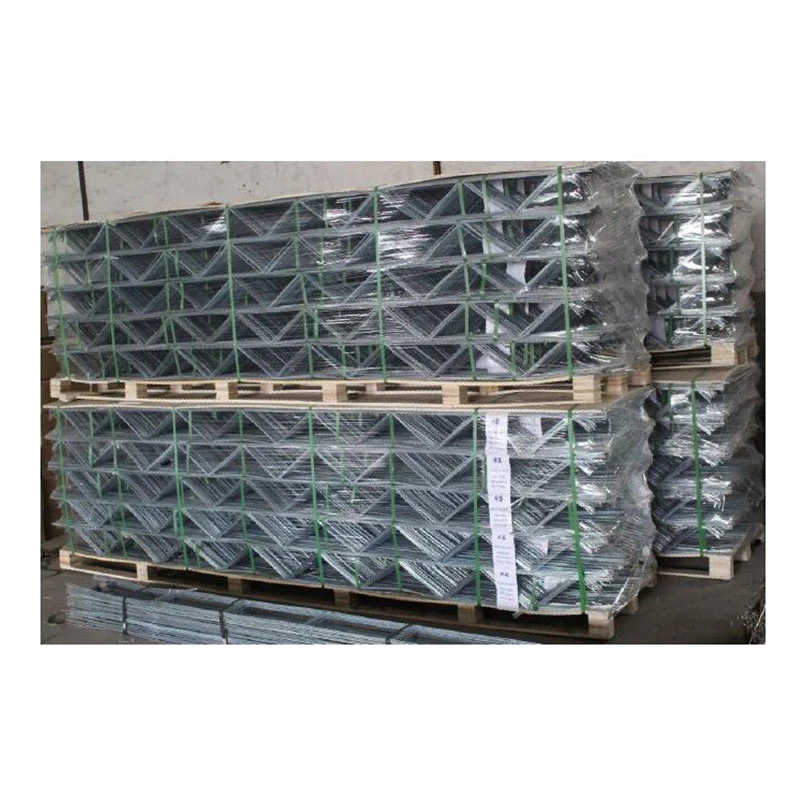
3D Wire Mesh Panel
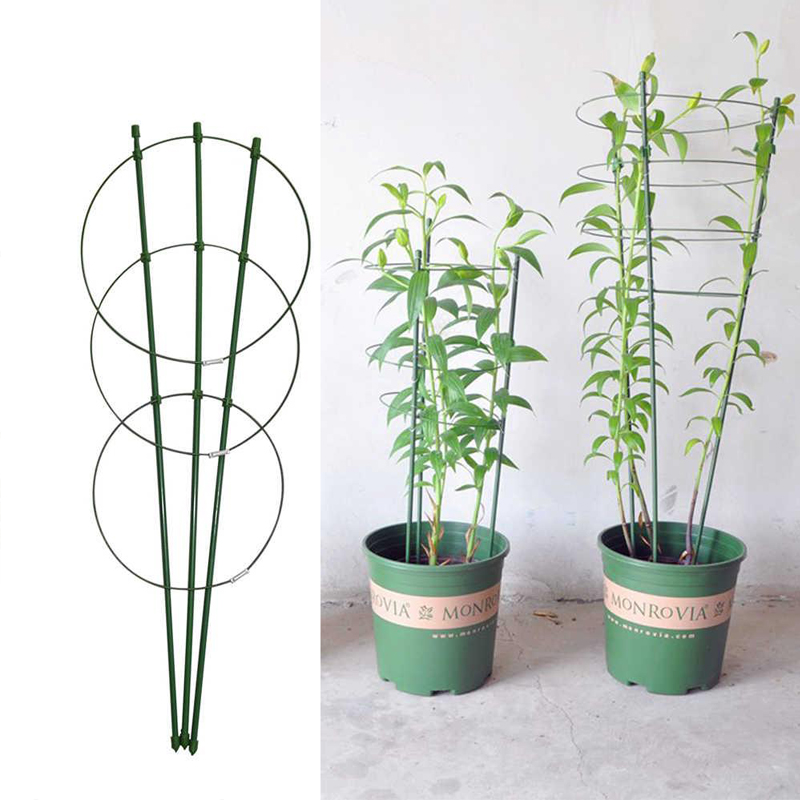
Climbing Vine Rack 40/60cm
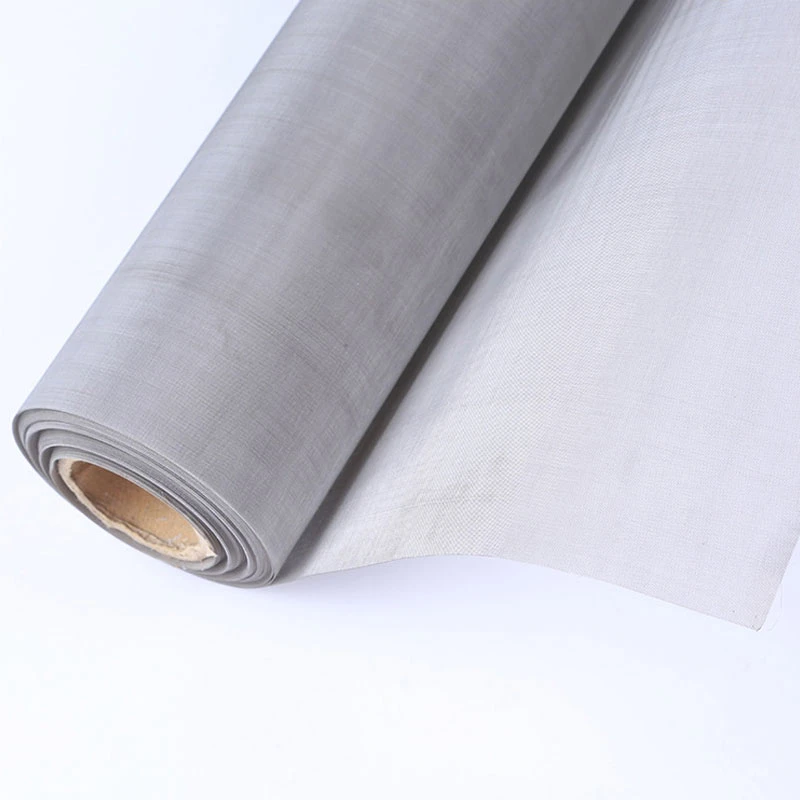
Stainless Steel Window Screen

Black Cold Drawn Iron Wire
Technical Support
Common Inquiries Regarding Metal Wiring
Expert answers to help you select the right wire specifications for your specific operational needs.
What is the primary difference between soft black iron wire and galvanized iron wire for construction?
The primary difference lies in the surface treatment and intended application. Soft black iron wire is annealed for maximum ductility, making it ideal for internal tying where flexibility is key. Galvanized wire is coated in zinc to prevent rust, making it the necessary choice for external exposure or humid environments, such as coastal Kenyan sites, to prevent premature corrosion.
How do I determine the correct gauge for thick iron wire in structural reinforcement?
Gauge selection depends on the load-bearing requirement of the structural grid. For heavy-duty rebar in high-rise foundations, a thicker gauge with high tensile strength is required to prevent shifting during concrete pours. We recommend reviewing the engineering blueprints and consulting our technical team to match the wire's breaking strength with the specific tension needs of your project.
Can double loop tie wire be used with existing automated baling machinery in Kenya?
Yes, our double loop tie wire is engineered to be compatible with most standard industrial baling machines. The key is ensuring the wire's diameter and spring-back tension match the machine's specifications. We can provide sample rolls for testing to ensure seamless integration with your specific equipment, reducing downtime and preventing machine jams during peak harvest.
What quality certifications should I look for when importing iron wiring to ensure safety?
You should look for detailed Mill Test Certificates (MTC) that specify the chemical composition and the actual tensile strength of the batch. Avoid suppliers who only offer "estimated" gauges. A reputable manufacturer will provide data on the zinc coating thickness for galvanized products and the annealing temperature for soft wires, ensuring the material behaves predictably under stress.
How does u type wire improve the efficiency of industrial installations compared to standard ties?
U-type wire acts as a pre-formed clip, eliminating the need for manual twisting and knotting. This reduces the installation time per point by approximately 40-60%, as technicians simply hook and lock the wire in place. In large-scale HVAC or electrical installations, this translates to a significant reduction in labor hours and a more consistent, professional finish.
What is the best way to order customized wire specifications for a large-scale Kenyan project?
The most efficient process is to provide a technical specification sheet including the required diameter, tensile strength, coating type, and total volume. Once reviewed by our senior engineers, we can provide a customized production plan and a prototype sample. For large projects, we recommend discussing lead times and shipping schedules early to align with your construction phases.
Ready to Upgrade
Secure Your Supply of High-Performance Metal Wiring in Kenya
Whether you are managing a large-scale infrastructure project in Nairobi or optimizing agricultural exports in the highlands, our engineered wiring solutions provide the reliability your operations demand. Contact our technical team today to discuss your specific gauge and strength requirements and ensure your project is built on a foundation of quality.
Discuss Your Requirements


