The industrial landscape in Iraq is currently defined by a massive push toward urban reconstruction and infrastructure modernization. Given the regional focus on expanding transport networks and residential complexes, there is a critical demand for reliable iron wiring that can withstand extreme thermal fluctuations. The harsh desert climate necessitates materials that maintain structural integrity under high heat, making the selection of metallurgy a primary concern for local procurement officers.
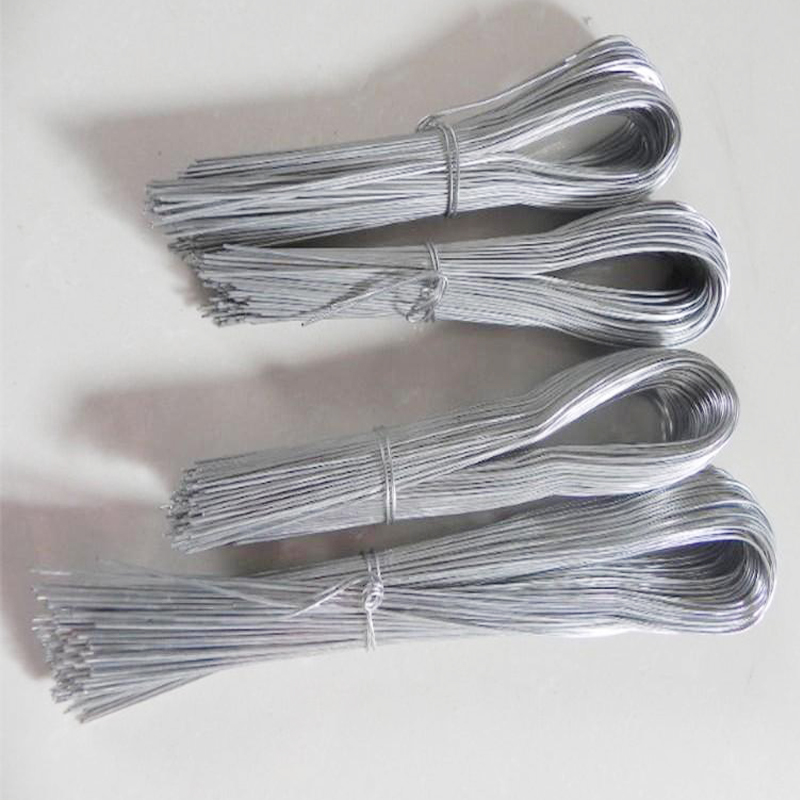
In the construction of reinforced concrete structures, the use of thick iron wire has become essential for ensuring the stability of heavy-duty frames. As local manufacturing plants evolve, the shift toward specialized components like soft black iron wire is evident, particularly in sectors requiring flexibility for binding and artisanal metalwork. This demand is driven by a growing number of regional project managers seeking a balance between cost-efficiency and long-term durability.
From an industry perspective, the transition toward standardized international quality benchmarks is accelerating. Companies are moving away from generic supplies toward precision-engineered products. This evolution is particularly visible in the adoption of specialized fasteners and tying solutions, where technical consistency reduces onsite waste and improves the overall safety of large-scale industrial installations across various Iraqi governorates.