
Turkmenistan's unique geography, dominated by the Karakum Desert, creates an extreme environment where temperature fluctuations accelerate metal oxidation. Consequently, the demand for high-quality iron wiring has shifted toward materials that can withstand intense thermal expansion and contraction without compromising structural integrity.
Economically, the nation's heavy reliance on the oil and gas sector has driven a surge in requirements for thick iron wire. This material is critical for securing heavy pipelines and reinforcing construction frameworks in remote desert regions where logistics are challenging and material failure is costly.
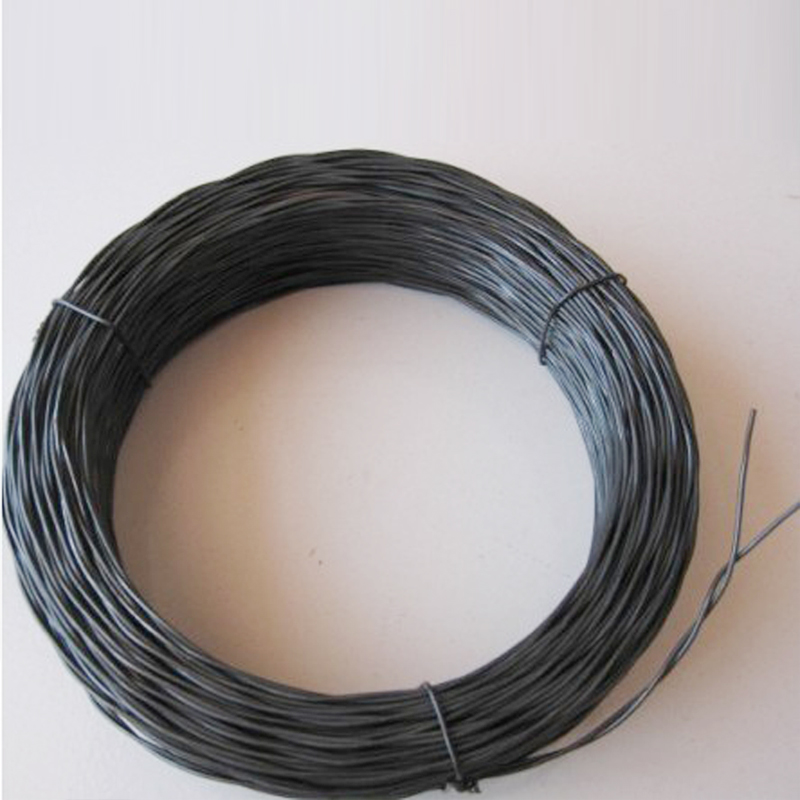
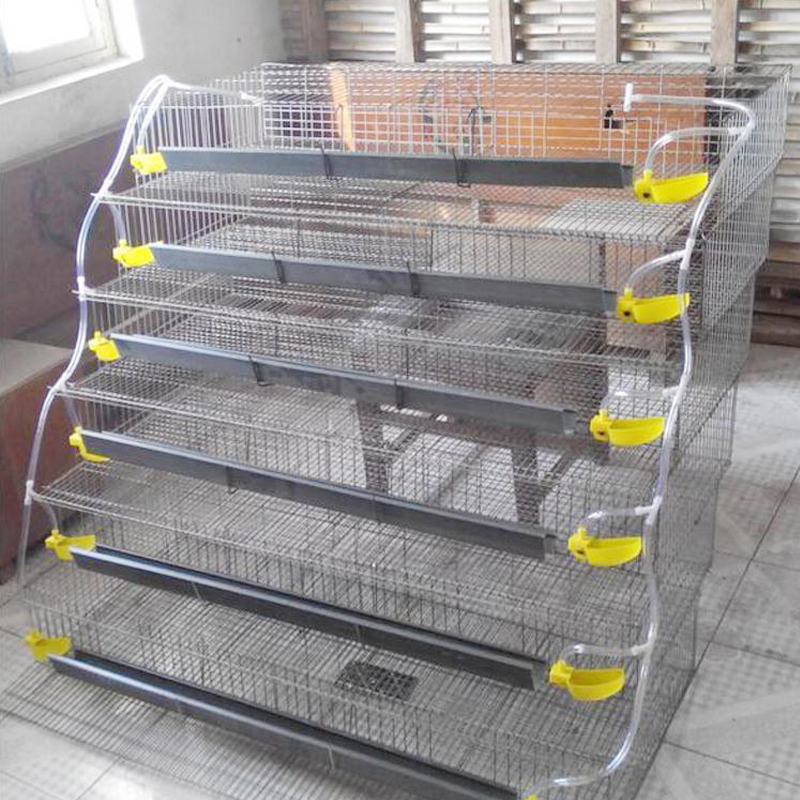
Furthermore, the agricultural sector's modernization, particularly in cotton and livestock management, has increased the consumption of versatile binding tools. The transition from traditional manual methods to standardized double loop tie wire reflects a broader trend of improving efficiency and security in rural infrastructure.