



Market Intelligence
The Metal Wire Landscape in Peru
Analyzing the intersection of infrastructure growth and material demands in the South American region.
Peru's industrial sector is characterized by a strong reliance on mining and large-scale civil engineering. The demand for iron wiring is primarily driven by the construction of urban housing in Lima and industrial facilities in the coastal regions. Due to the geological diversity of the country, materials must withstand varying stress levels, making the procurement of high-quality metal products a priority for local contractors and engineers who require reliable reinforcement and securing solutions.
Current market trends indicate a shift toward specialized wiring solutions. There is an increasing demand for precision-formed wires, such as double loop tie wire, which enhances efficiency in agricultural baling and industrial packaging. Moreover, the Peruvian market is moving away from generic low-cost imports toward certified manufacturers who can provide verifiable tensile data and consistent material purity, as safety regulations in construction become more stringent.
Despite the growth, constraints remain in the local supply chain, often leading to price volatility and lead-time delays. This creates a significant opportunity for established international manufacturers to provide a stable supply of specialized iron products. The outlook for the Peruvian metal wire market remains positive, with expected growth tied to government infrastructure projects and the expansion of the agribusiness sector, both of which require high volumes of reliable binding and fencing materials.
Industrial Progress
Evolution of Wire Manufacturing
From traditional drawing techniques to modern precision engineering.
Early Phase
Traditional Production
Manufacturing focused on basic gauge iron wire with manual quality checks, primarily serving small-scale local agricultural needs.
Growth Phase
Industrial Scaling
Introduction of automated drawing machines and specialized annealing ovens, enabling the production of consistent soft black iron wire.
Modern Era
Precision Engineering
Adoption of high-precision inspection equipment and customized forming for U-type and double loop wires to meet global standards.
Shift to High-Tensile Alloys
Modern infrastructure projects now require wires that can withstand significantly higher loads without deformation. This has led to the development of specialized alloys and refined drawing processes that increase the yield strength of industrial wiring.
Automation in Forming
The transition from manual bending to CNC-controlled forming has allowed for the mass production of complex shapes, such as U-type wires, with micron-level accuracy, reducing waste and increasing assembly speed on site.
Enhanced Corrosion Protection
Technological advancements in galvanization and PVC coating have extended the lifespan of iron wire in harsh environments, shifting the focus from short-term cost to long-term lifecycle value.
Future Outlook
Trends Shaping the Metal Wire Industry
How innovation is redefining material standards and operational applications.
Smart Material Tracking
The integration of batch-level traceability allows operators to track the metallurgical origin of their iron wiring, ensuring compliance with safety codes in critical structural projects.
Eco-Friendly Annealing
A transition toward energy-efficient heating processes is reducing the carbon footprint of wire production while improving the consistency of soft black iron wire ductility.
Custom Geometry Demand
Industries are requesting more complex pre-formed wire shapes to eliminate on-site bending, shifting labor costs from the construction site to the factory floor.
Hybrid Coating Systems
Combining galvanized layers with polymer coatings is becoming standard for wires exposed to the high salinity of the Peruvian coast, preventing deep-core oxidation.
The convergence of these trends is driving a fundamental change in how metal products are specified. Instead of buying by weight alone, engineers in Peru are now specifying materials based on precise mechanical properties and environmental resistance. This evolution is pushed by the need for safer, longer-lasting infrastructure that can withstand the unique seismic and climatic challenges of the region, moving the industry toward a "value-per-lifecycle" model rather than a "cost-per-ton" approach.
Furthermore, the globalization of supply chains is enabling Peruvian firms to access specialized products like high-precision double loop tie wire that were previously unavailable locally. This allows for the adoption of more modern agricultural and industrial packaging techniques, increasing the overall competitiveness of Peruvian exports by ensuring that goods are secured using international-standard binding materials.
Real-World Application
Industrial Use Cases in Peru
How our specialized wiring solves practical problems across different Peruvian sectors.
01
Lima Urban Construction: Rebar Securing
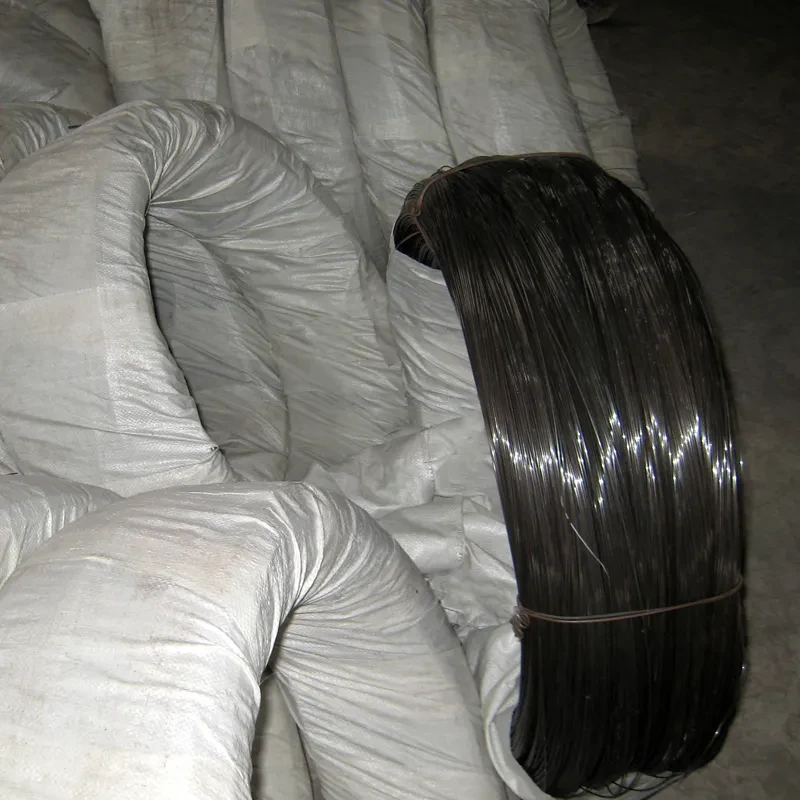
In the dense urban development of Lima, contractors use our soft black iron wire to tie rebar cages for high-rise buildings. The key local condition is the need for rapid installation in tight spaces. By using wire with optimized ductility, workers can secure intersections quickly without the wire snapping, ensuring the structural cage remains rigid during concrete pouring, which prevents costly alignment errors.
02
Coastal Infrastructure: Corrosion-Resistant Fencing
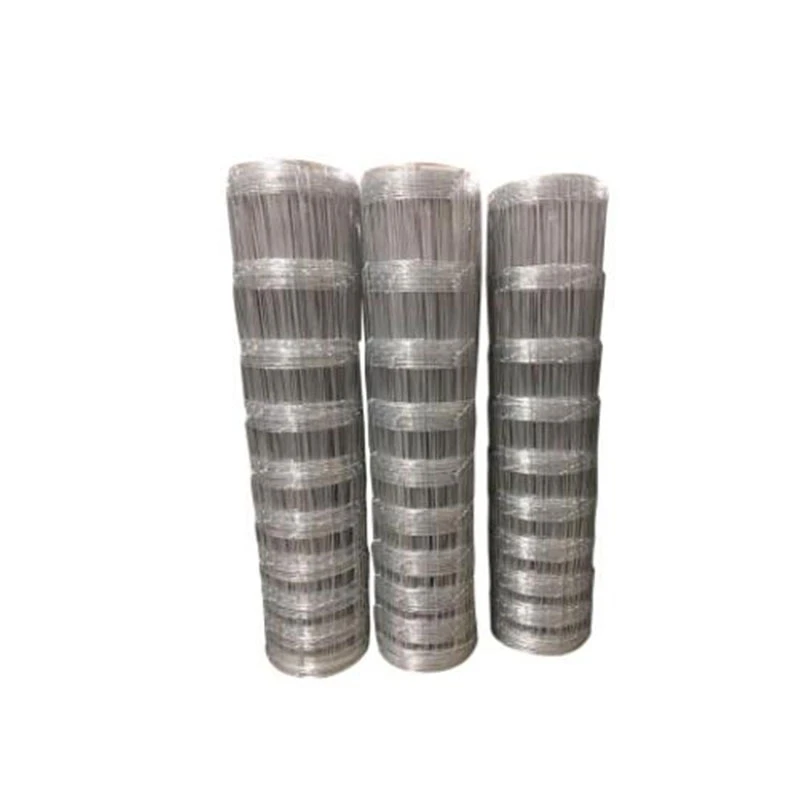
For facility perimeters near the Callao coast, the extreme salinity of the air causes standard iron to rust within months. We deploy galvanized iron wiring with a reinforced zinc layer. This technology prevents the salt-induced oxidation from penetrating the core, significantly extending the fence's lifespan and reducing the frequency of maintenance cycles in high-humidity maritime environments.
03
Andean Agribusiness: Bale Binding
In the highland agricultural zones, producers utilize double loop tie wire for securing cotton and fodder bales. The rugged terrain and manual handling require binding that does not loosen during transport. Our precision-formed loops provide a mechanical lock that maintains tension even under vibration, ensuring that produce reaches markets in Lima without spillage or damage.
04
Mining Support Structures: Heavy-Duty Mesh
Mining operations in the Andes require thick iron wire for stabilizing slopes and creating safety barriers. The primary problem is the immense pressure from shifting soil. By implementing high-tensile thick iron wire in welded mesh configurations, the structures maintain their integrity under extreme load, providing a critical safety layer for mine workers and protecting equipment from rockfalls.
05
Industrial Warehousing: U-Type Fastening
In logistics hubs throughout Peru, U-type wire is used for securing heavy-duty pallets and industrial packaging. The operational impact is felt in the speed of the loading process. The pre-formed U-shape allows for a "hook and twist" motion that is significantly faster than traditional straight-wire tying, increasing the throughput of warehouse shipping docks.
Operational Perspectives
Representative Use Cases
Illustrating the impact of high-standard metal products on industrial efficiency.
In large-scale residential projects, the consistency of the annealed wire is paramount. Using materials with uniform softness allows for faster rebar tying and reduces the risk of wire-breakage during the structural assembly phase, which is essential for keeping tight construction schedules in urban centers.
For coastal installations, the difference between standard and high-grade galvanized wiring is evident within the first rainy season. High-zinc coatings prevent the deep oxidation that usually compromises fence stability, resulting in a significant reduction in yearly replacement costs for industrial perimeters.
The adoption of pre-formed double loop wires has streamlined our agricultural packing process. By eliminating the need for manual twisting of each tie, the time spent per bale is reduced, allowing for higher volume processing during the peak harvest seasons in the Andean highlands.
Company Legacy
About Shijiazhuang Yajiada Metal Products
Decades of commitment to quality and honest business practices in the metal wire industry.
1992
Founding as YinQuan Wire Factory
Established with a core mission to provide reliable wire products, the company began its journey by focusing on quality goods and excellent service, building a foundation of trust with early clients.
Expansion Era
Industrial Scale-Up
The factory expanded its production area to reach 30,000m², strategically locating itself within the building material production base of Shijiazhuang, Hebei, to optimize supply chain efficiency.
Current Status
Modern Enterprise Transformation
Now operating as a modern enterprise with 10 senior engineers, over 300 technical staff, and more than 100 sets of advanced production and inspection equipment to serve global markets.

Knowledge Base
Common Inquiries on Industrial Iron Wire
Technical answers to help you select the right material for your Peruvian project.
What is the difference between soft black iron wire and galvanized wire for construction?
The primary difference lies in the surface treatment and application. Soft black iron wire is annealed for maximum flexibility, making it ideal for tying rebar where ease of twisting is required. Galvanized wire is coated with zinc to prevent rust. In Peru, black wire is used for internal structural ties, while galvanized wire is essential for any external application exposed to the humid coastal air or Andean moisture to prevent structural oxidation.
How do I determine the correct gauge for thick iron wire in mining safety barriers?
The gauge selection depends on the calculated peak load and the expected impact force. For mining barriers, a higher gauge (thick iron wire) is required to ensure the wire does not deform under geological pressure. We recommend reviewing the structural load requirements of your site; our technical team can provide tensile strength data for different gauges to ensure the selected wire meets the safety factor required by local Peruvian mining regulations.
Are double loop tie wires more efficient than traditional straight wire for baling?
Yes, significantly. Double loop tie wires are pre-formed to allow for rapid securing without the need for extensive manual twisting. This reduces the labor time per bale and ensures a more consistent tension across all units. In a practical agribusiness setting, this translates to faster processing speeds during harvest and a lower risk of bales loosening during transport over rugged Andean terrain.
Can U-type wire be customized for specific industrial packaging needs?
Our manufacturing process allows for customization of the U-type wire's dimensions, including the width of the bend and the length of the legs. This is particularly useful for operators who use automated packaging machinery that requires precise tolerances. By matching the wire geometry to the machine specifications, you can reduce equipment wear and eliminate packaging failures caused by improperly sized fasteners.
What quality certifications should I look for when importing iron wiring to Peru?
You should look for verifiable tensile strength reports and zinc coating thickness certificates (for galvanized products). Ensure the manufacturer uses standardized inspection equipment. At Yajiada, we accept all third-party tests to underline our commitment to quality control. For Peruvian importers, ensuring that the wire meets ASTM or equivalent international standards is the best way to guarantee structural safety and long-term durability.
What is the best way to store large quantities of black annealed wire to prevent premature rust?
Black annealed wire is more susceptible to oxidation than galvanized wire. It should be stored in a dry, well-ventilated area, ideally elevated off the concrete floor using pallets to prevent moisture wicking. In the high-humidity regions of Peru, we recommend using moisture-barrier wrapping for long-term storage. Rotating stock on a first-in-first-out basis ensures that no single batch is exposed to environmental humidity for an extended period.
Get a Technical Quote
Secure Your Project with Industrial-Grade Iron Wiring in Peru
Whether you are managing a large-scale construction project in Lima or an agricultural operation in the highlands, the quality of your binding materials determines your operational efficiency. Contact Shijiazhuang Yajiada today to discuss your specific gauge and coating requirements and receive a tailored shipment plan for the Peruvian market.
Discuss Your Requirements


