
The industrial landscape in the United States requires materials that can withstand diverse climatic conditions and high mechanical stress. In the realm of iron wiring, the focus has shifted toward consistency and tensile strength. From the expansive agricultural belts in the Midwest to the dense urban construction sites on the coasts, the need for reliable binding and structural support materials is constant, driving the demand for high-precision metal fabrication.
Procurement managers in US manufacturing often face challenges regarding material fatigue and corrosion. This is where the application of thick iron wire becomes critical, offering the necessary rigidity for heavy-duty structural supports. Furthermore, for applications requiring flexibility without sacrificing integrity, the use of soft black iron wire allows for easier manipulation during installation while maintaining a secure hold in diverse industrial settings.
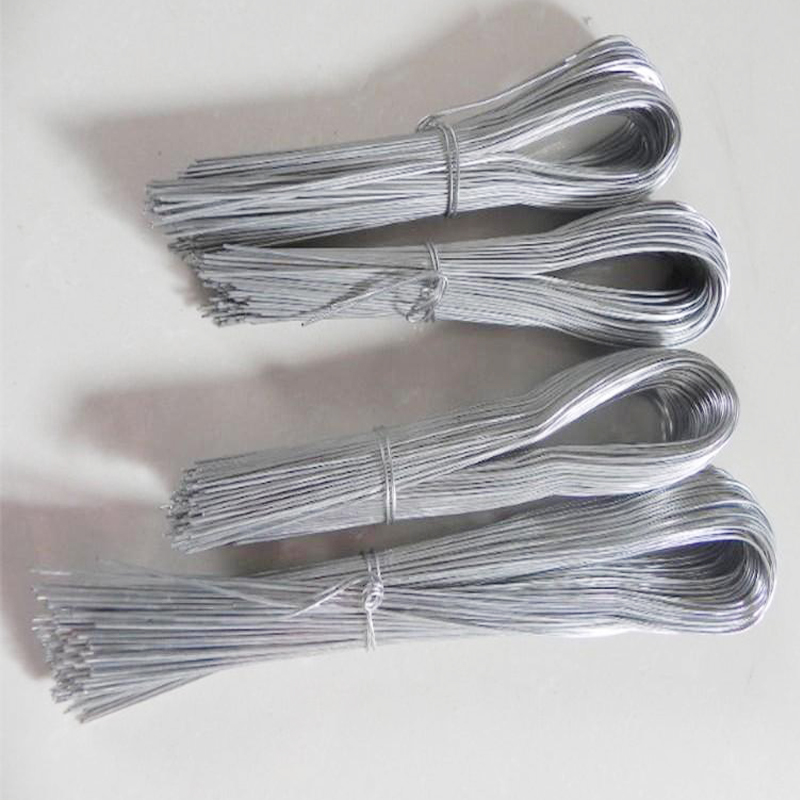
As the US market moves toward more automated assembly and packaging, specialized shapes are becoming standard. The adoption of precision-formed components, such as the u type wire, reflects a trend toward increasing operational efficiency. By reducing manual bending time and ensuring uniform dimensions, enterprises can significantly lower their labor costs and improve the overall reliability of their fastening systems.