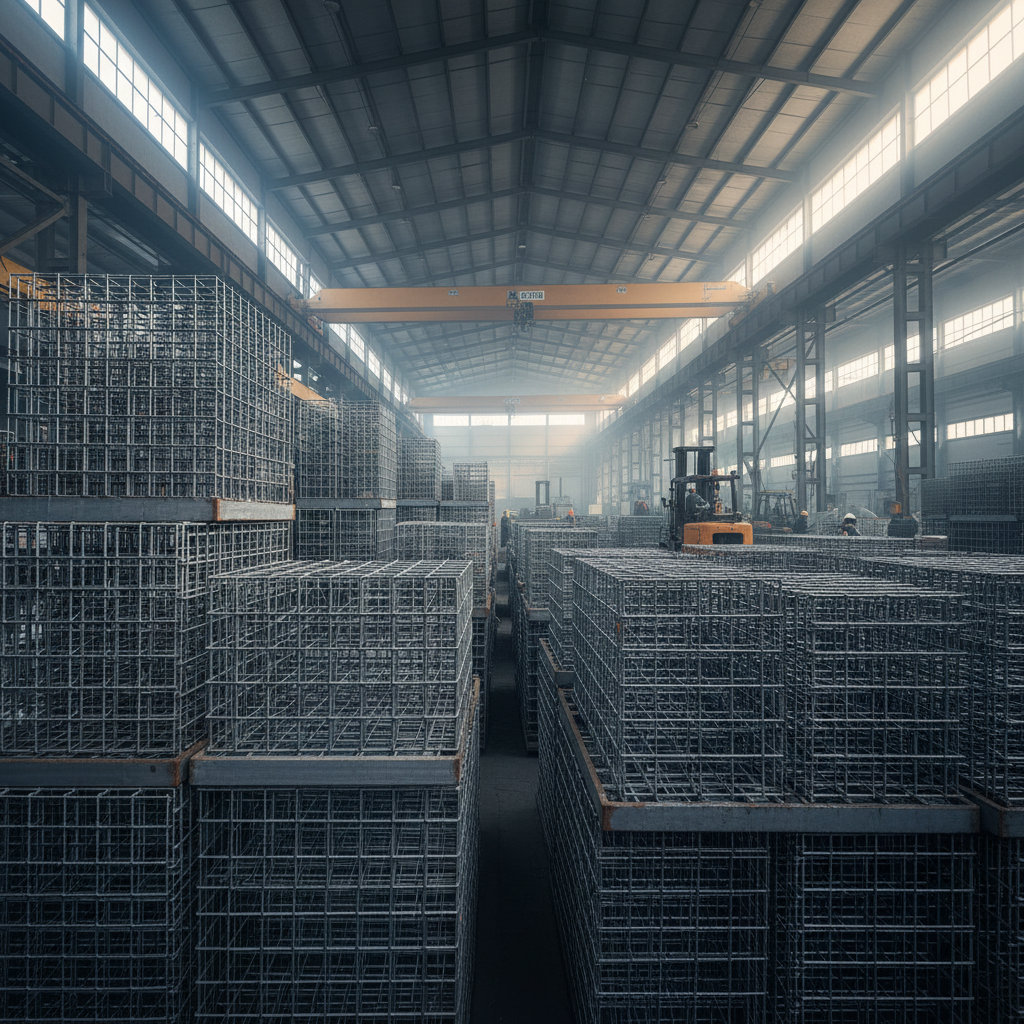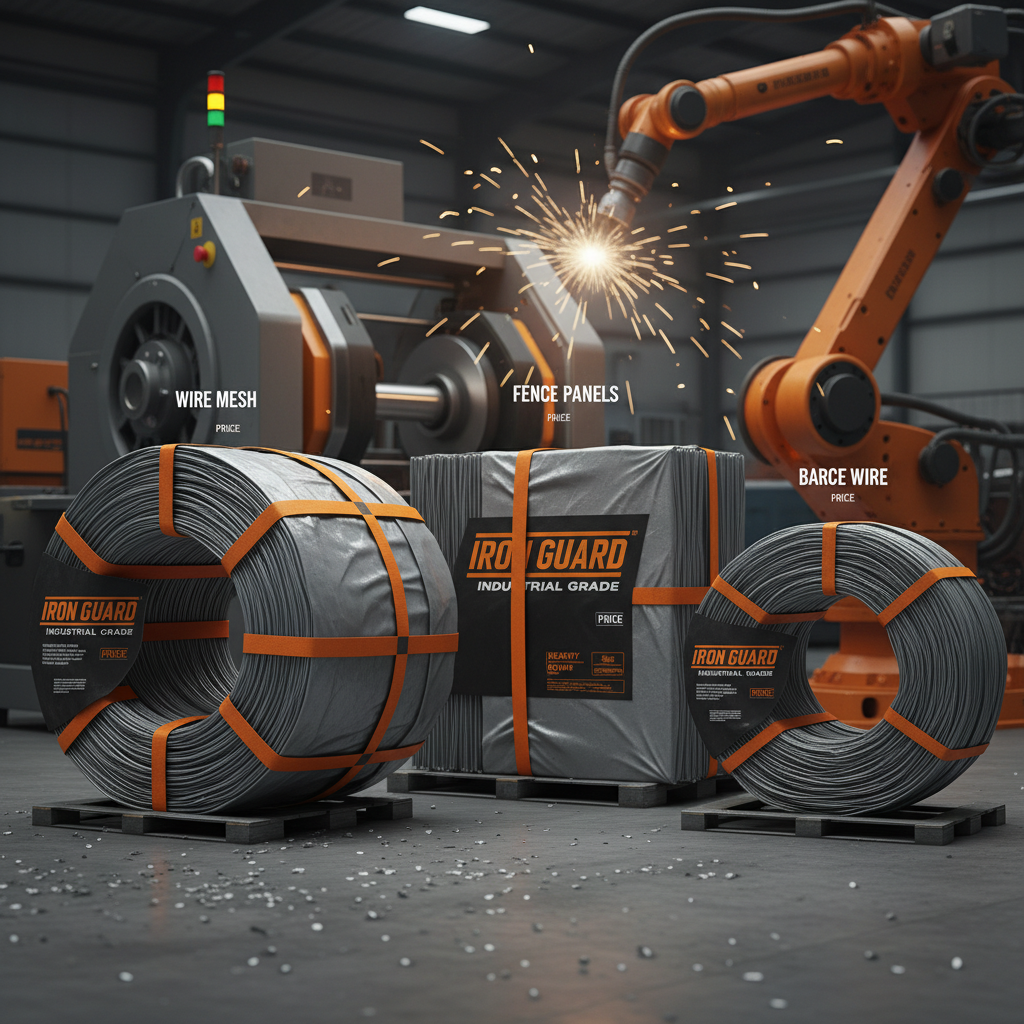
When analyzing the gi wire price, it is essential to understand that galvanized iron wire represents a critical balance between raw material costs and long-term structural durability. The price is primarily driven by the cost of low-carbon steel and the zinc coating process, which protects the metal from oxidative corrosion in harsh environments.
For procurement managers and industrial engineers, fluctuations in the market price are often tied to global zinc indices and energy costs associated with the hot-dipping process. Selecting a product based solely on the lowest initial cost often leads to higher maintenance expenses due to premature rust and structural failure.
This comprehensive guide examines the factors influencing current pricing, technical specifications for various industrial grades, and strategic selection criteria to ensure you obtain the best value for your infrastructure and agricultural projects.

1Understanding GI Wire Price Drivers

The cost of galvanized iron wire is not a static figure but a dynamic variable influenced by several global commodities. The most significant driver is the price of hot-rolled steel coils, which form the core of the wire. Secondary to this is the cost of zinc; since galvanization involves dipping steel into molten zinc, any volatility in the LME (London Metal Exchange) zinc prices directly impacts the final quote.
Energy costs also play a pivotal role, particularly for hot-dipped galvanizing, which requires maintaining large vats of molten zinc at high temperatures. In regions with fluctuating electricity or gas prices, manufacturers may adjust their pricing to maintain operational margins.
Furthermore, the grade of the base wire—whether it is high-carbon or low-carbon steel—affects the price. High-tensile GI wire, often used in fencing and structural support, commands a premium due to the additional drawing and heat-treatment processes required to achieve superior strength.
2Core Technical Specifications and Value
To evaluate if a gi wire price is fair, one must look beyond the per-kilogram cost and examine the technical specifications. Standard GI wire is characterized by its zinc layer, which acts as a sacrificial anode. This means the zinc corrodes first, protecting the underlying steel from rust even if the surface is scratched.
The quality of the weld in products like welded wire mesh further adds to the value. High-quality electric fusion welding ensures that the joints do not become weak points for corrosion, which is a common failure in low-cost, substandard mesh products.
Consistency in gauge (thickness) is another critical factor. Variations in diameter can lead to uneven tension in fencing or structural instability in concrete reinforcement, making precision-drawn wire a more valuable investment despite a slightly higher price point.
3Industrial and Agricultural Applications
The application of GI wire spans multiple sectors, each with different requirements. In agriculture, it is indispensable for animal cages, poultry nets, and livestock fencing. Here, the focus is on balance—providing enough strength to contain animals while maintaining a cost-effective price for large-scale installations.
In the industrial sector, galvanized wire is used for machine protection covers and architectural screens. These applications demand higher precision and often specific surface treatments, such as PVC coating, to enhance aesthetic appeal and provide an extra layer of environmental protection.
Mining and construction industries utilize GI wire for concrete slab reinforcement and safety barriers. In these high-stress environments, the tensile strength of the wire is just as important as its corrosion resistance, necessitating a higher grade of steel core.
4Performance Analysis of Galvanized Coatings
The effectiveness of the galvanization process is measured by its ability to withstand environmental stressors. When comparing standard industry averages to premium GI wire, the difference in "time to first rust" is substantial. Premium coatings utilize a more controlled dipping time and purity of zinc.
Analyzing the performance metrics involves looking at the bond strength between the zinc and the steel. A chemical alloy layer forms during the hot-dipped process, ensuring that the coating does not peel or flake under mechanical stress or thermal expansion.
gi wire price Performance Metrics
As indicated in the performance data, investing in higher-grade GI wire results in a marked increase in corrosion resistance and weld integrity. While the initial cost is higher, the lifecycle cost is lower because the frequency of replacement is reduced by up to 50% in aggressive environments.
5Procurement and Sourcing Best Practices
Effective procurement begins with a clear definition of the environment. A wire designed for an indoor warehouse will have a very different price and specification than one intended for an outdoor ranch. Procurement teams should request the zinc coating weight (GSM) and the steel grade certification before finalizing a purchase.
Sourcing directly from manufacturers with integrated production—such as those who handle their own drawing and galvanizing—typically reduces lead times and lowers costs by eliminating intermediary markups. Verifying the factory's inspection equipment ensures that the delivered product matches the quoted specifications.
It is also advisable to consider the logistics of the order. Large rolls of wire mesh can be expensive to ship; therefore, optimizing the order quantity to fit standard container dimensions can effectively lower the overall landed cost per unit.
6Future Market Trends in Wire Manufacturing
The wire industry is shifting towards more sustainable manufacturing processes. We are seeing a rise in "green galvanizing" techniques that reduce the emission of volatile organic compounds and optimize energy use during the heating phase. This shift may lead to temporary price increases as factories invest in new equipment.
Automation in the welding process is also increasing precision. Computer-controlled welding machines ensure that every intersection in a welded wire mesh is identical, which improves structural stability and allows for thinner, yet stronger, wire gauges to be used.
Additionally, there is a growing demand for hybrid coatings, combining galvanization with specialized polymer layers. These products target extreme industrial environments where traditional GI wire might still succumb to chemical corrosion over a decade of use.
7Material Selection Comparison Matrix
Choosing the right material requires a trade-off analysis between initial investment and expected lifespan. The following matrix compares the most common types of galvanized wire solutions based on their operational utility and cost-benefit ratio.
While the lowest price option may seem attractive for temporary installations, the long-term ROI is almost always higher for hot-dipped solutions in outdoor applications due to the significant reduction in maintenance labor.
| Coating Type | Corrosion Life | Initial Cost | Best Use Case |
|---|---|---|---|
| Electro-Galvanized | Low (1-3 years) | Low | Indoor / Decorative |
| Hot-Dipped GI | High (10-20 years) | Medium | Agricultural / Fencing |
| PVC Coated GI | Very High (20+ years) | High | Coastal / Chemical |
| High-Tensile GI | Medium-High | Medium-High | Structural / Security |
| Stainless Steel | Extreme | Very High | Medical / Food Grade |
| Black Annealed | Very Low | Very Low | Temporary Binding |
Ultimately, the decision should be based on the "Total Cost of Ownership." By selecting the appropriate coating for the specific environmental stressor, users can optimize their budget without compromising the integrity of their assets.
Frequently Asked Questions
Conclusion
Determining the optimal gi wire price involves a comprehensive analysis of material specifications, environmental demands, and long-term maintenance goals. While initial costs are a key consideration, the true value lies in the coating's ability to prevent corrosion and maintain structural integrity over time. By focusing on zinc coating weight and base steel quality, procurement teams can avoid the pitfalls of low-cost, short-lived materials.
For those seeking reliable industrial wire solutions, reviewing technical data and manufacturer capabilities is essential. Detailed product information and available specifications can be explored at www.hebeiwiremesh.com to ensure your project utilizes the most efficient and durable materials available.